Dear reader, March was not just a month of activities; it was a month of shifting power, strengthening systems, and deepening impact where it matters most. Across communities, schools, and health spaces, we focused on one central question: what truly changes when people are given the knowledge, space, and support to make informed decisions about their lives and health? This edition brings you those answers. From women redefining autonomy and leadership, to adolescents stepping into advocacy roles, to underserved populations accessing essential health services, the stories in this newsletter reflect more than progress, they reflect movement. Movement from silence to dialogue, from exclusion to access, and from participation to ownership. You will also see how partnerships, accountability, and community-driven approaches continue to shape our work, ensuring that interventions are not only impactful but sustainable. Why does this matter? Because these shifts, though local, have far-reaching implications for equity, health outcomes, and system resilience. As you read, we invite you to see both the progress made and the opportunity ahead, because sustaining this momentum requires continued partnership, investment, and shared commitment. |
|
Women Claiming Space: Financial Autonomy and Leadership Debates |
|
|
|---|
|
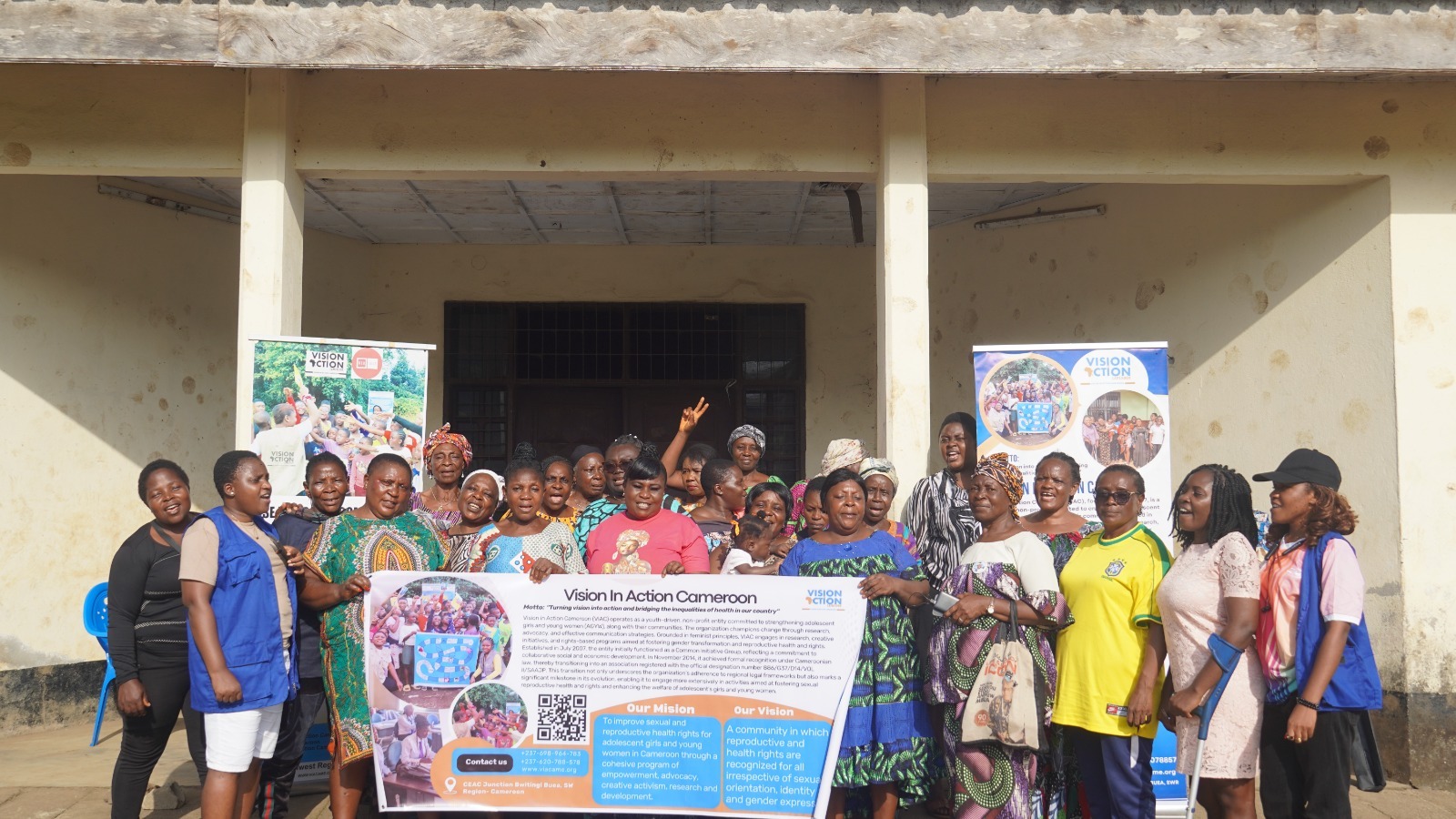
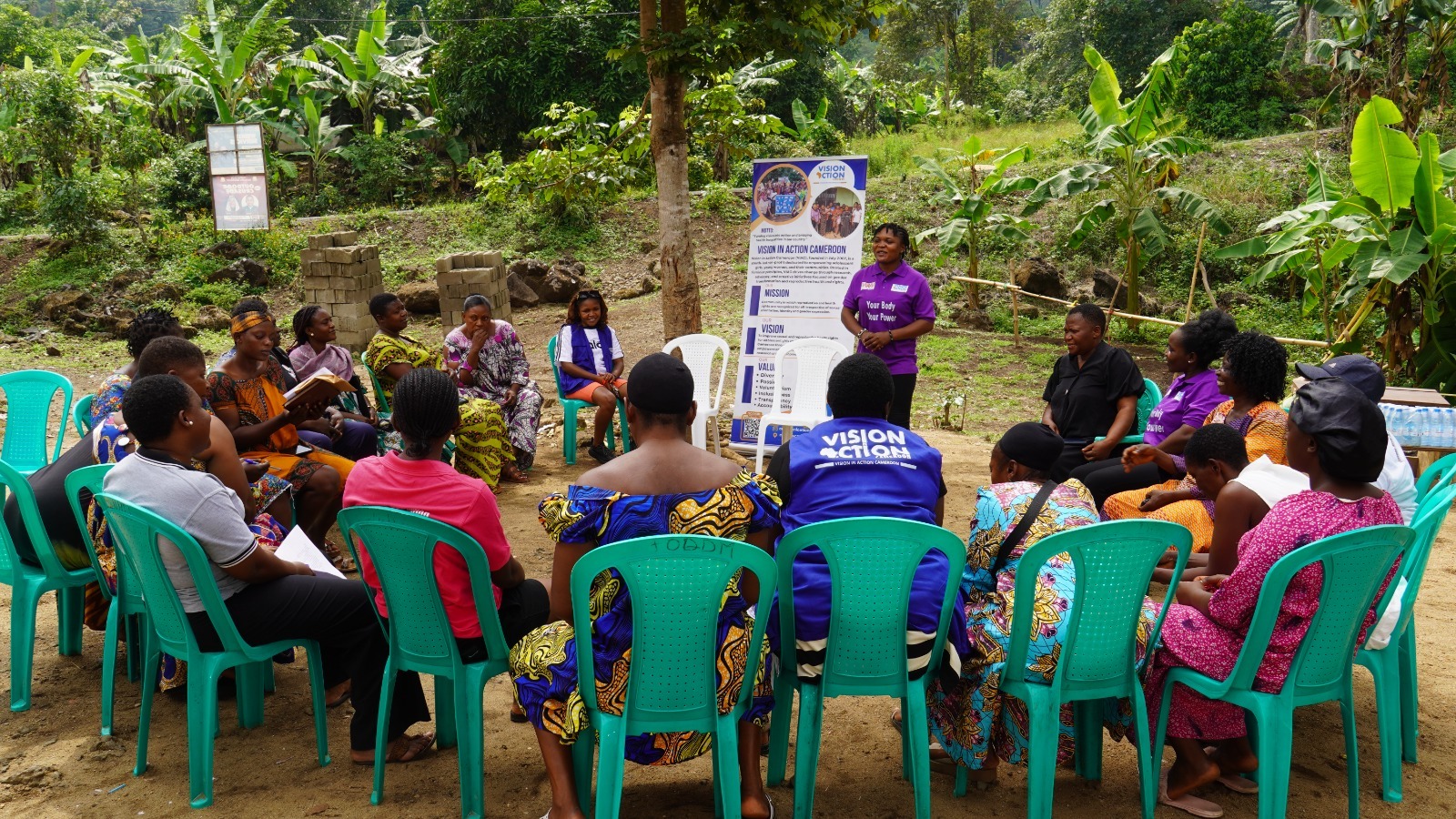
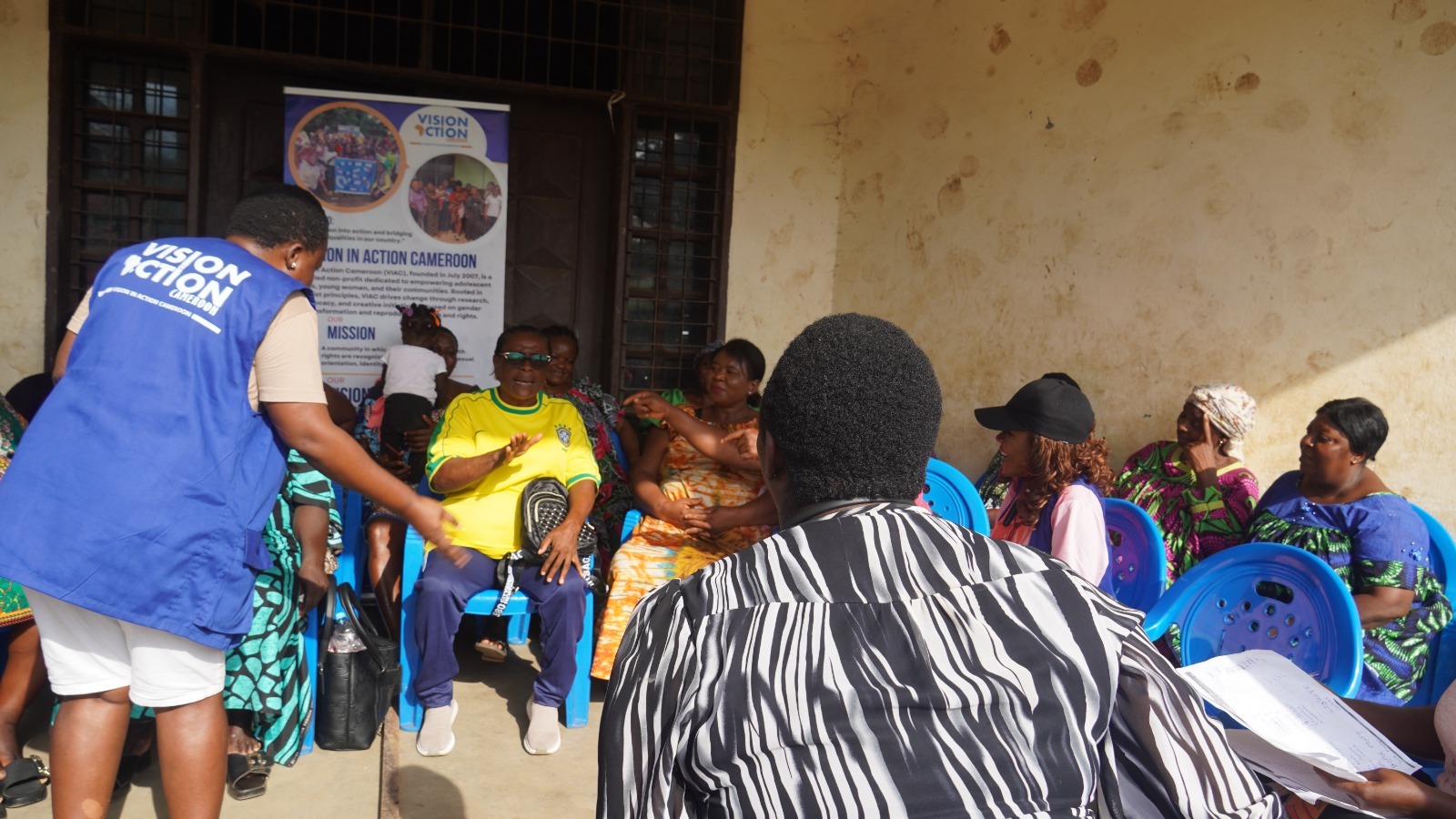
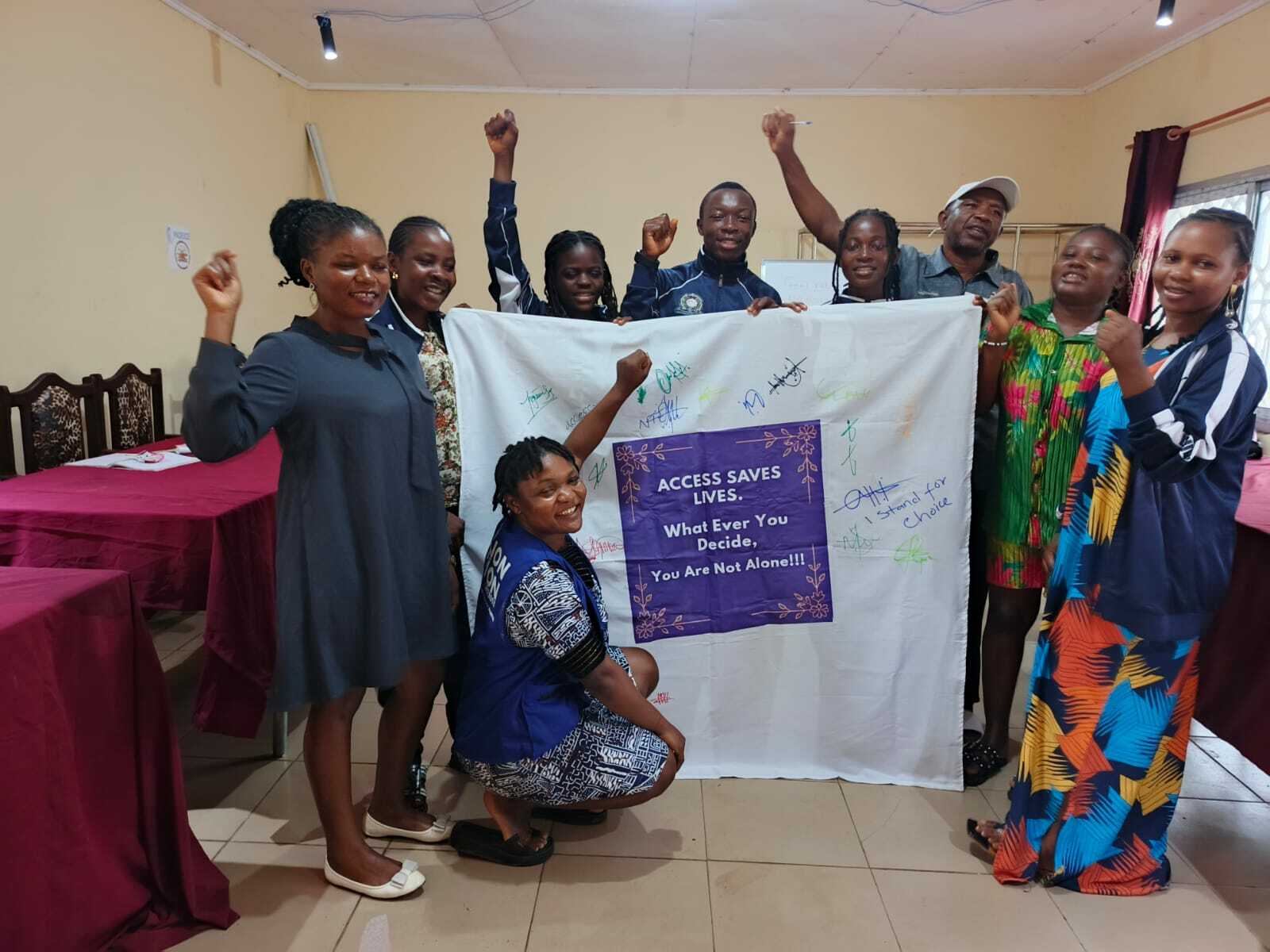
Power grows when women are able to voice their choices and shape community decisions. Throughout March, we commemorated International Women’s Month by organizing community debates among women on financial autonomy, leadership, and decision-making. The sessions provided a safe, stigma-free space for women to reflect on their roles in building homes and communities, sharing insights on how access to resources and informed choices strengthen their agency. These discussions went beyond conversation; they fostered empowerment. Women explored the link between autonomy and health, connecting financial independence to the ability to access sexual and reproductive |
|
| health and rights (SRHR) services without fear or interference. Participants shared personal experiences, inspiring peers and highlighting the critical role women play in shaping resilient communities. By creating platforms where women lead dialogues, VIAC bridges health inequalities at the grassroots level and strengthens the social foundations for informed decision-making. This initiative underscores the need for continued engagement, advocacy, and safe spaces where women can build leadership skills, claim their agency, and drive sustainable change within their households and communities. |
|
|
|---|
|
Play, Storytelling, and Reflection: Celebrating Women’s Journeys |
|
|
|---|
|
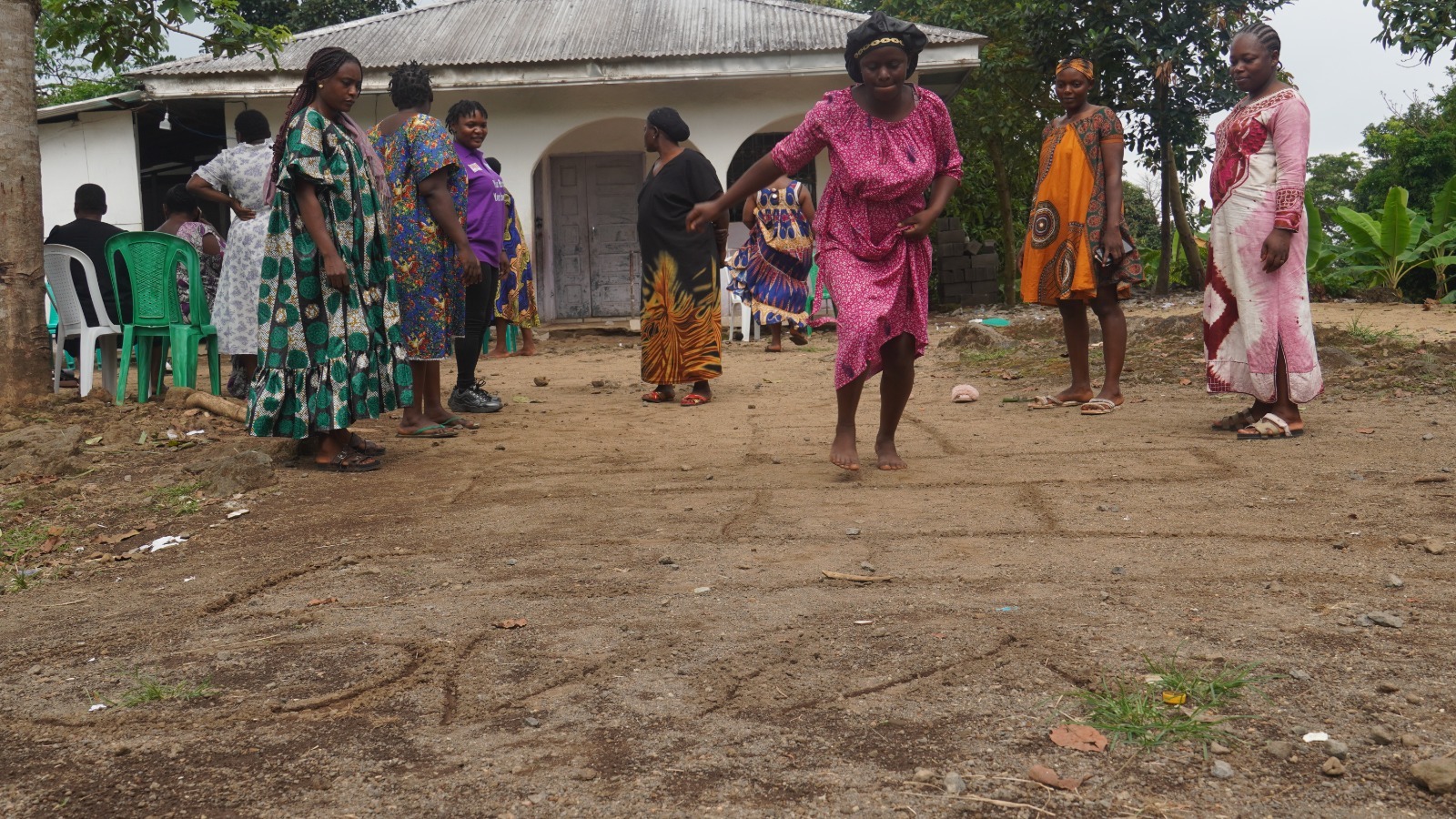
Celebrating women is not just about words, it is about creating connection, joy, and reflection. As part of our 2026 International Women’s Month series, VIAC brought local women together for an immersive day of traditional games, storytelling, and reflection. Activities like Tabala, Dushing, and folklores allowed participants to reminisce on their journey to womanhood, reconnect with their youthful experiences, and celebrate how far they have come. These moments of play were also moments of learning. By combining enjoyment with reflection on leadership, agency, and SRHR, |
|
| participants recognized the importance of safe spaces where women can strengthen their decision-making and health autonomy. Women expressed that these sessions reawakened a sense of community, joy, and empowerment, and many requested more opportunities like this. This approach reflects VIAC’s philosophy: learning and empowerment go hand in hand. By integrating SRHR awareness into cultural and recreational activities, we bridge health inequalities, reinforce women’s agency, and cultivate communities where women’s voices and choices are valued daily, not just once a year. |
|
|
|---|
|
Staff Spotlight Meet the Women Powering VIAC |
|
|
|---|
|
Not all impact is visible in numbers; some of it lives in the people who show up every day to make the work possible. This March, we turned the spotlight inward to celebrate the women behind VIAC’s impact. From program design to field implementation and systems strengthening, these women are not just supporting the mission, they are shaping it. Their stories reflect leadership, resilience, and the kind of expertise that turns vision into action in communities across Cameroon. Why does this matter? Because sustainable change is not only built on projects, but also on people. When women lead, systems become more inclusive, responses more grounded, and impact more lasting. Through this series, we invite you to move beyond the surface and connect with the individuals driving the results you see. Their journeys are a reminder that investing in women is investing in stronger, more accountable systems. Click the links to meet the women behind the work and see what real leadership looks like. staff profiling |
|
|
|---|
|
Celebrating Women, Amplifying Voices: Our Social Media Campaign |
|
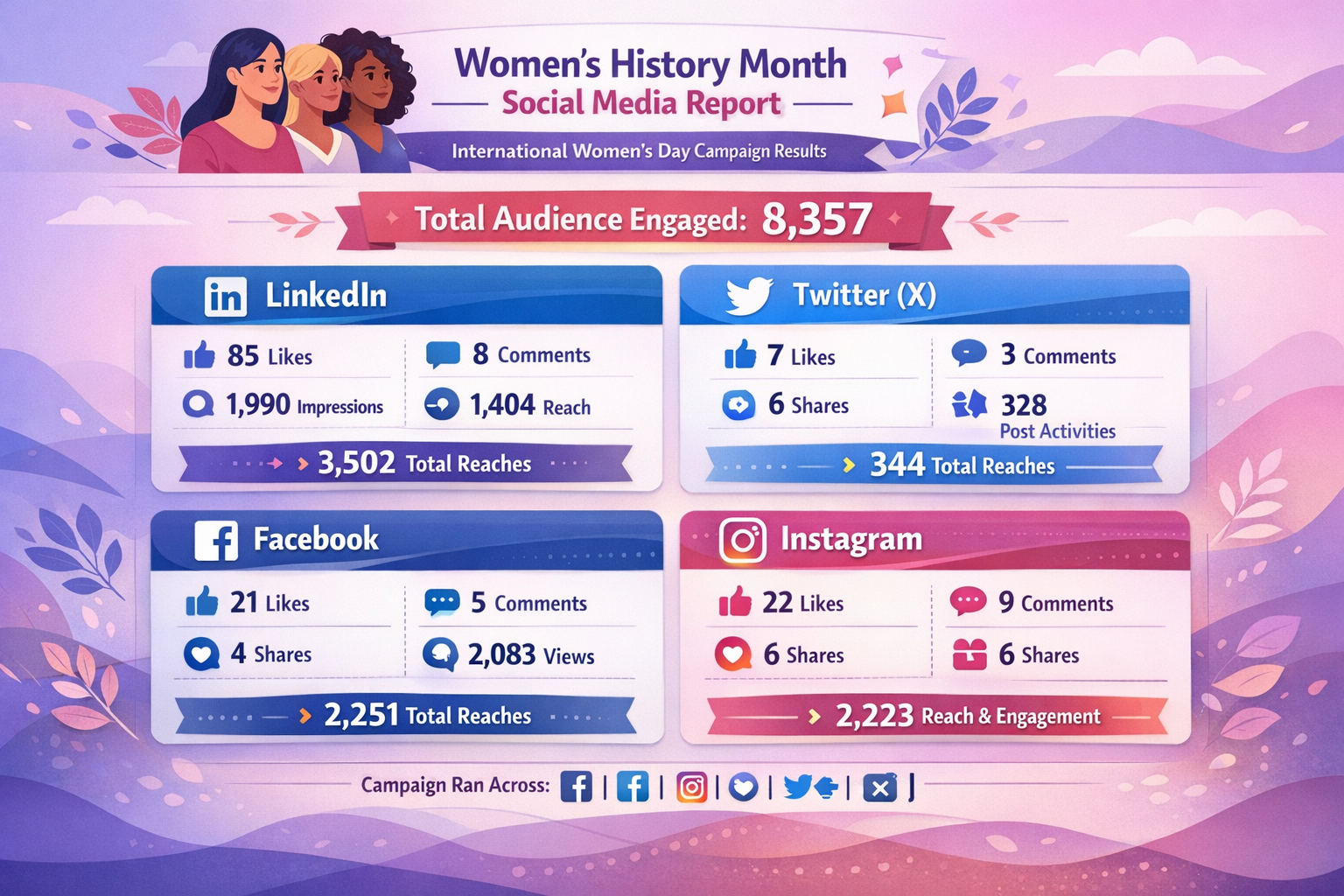
As part of our 2026 Women’s History Month series, VIAC launched a month-long social media campaign aligned with this year’s International Women’s Day theme. The campaign highlighted women’s leadership, autonomy, and contributions to community health, sparking meaningful conversations across Facebook, Instagram, LinkedIn, and X (Twitter). Over the month, we reached 8,357 people, engaging audiences through posts, comments, shares, and reactions. Check the seggregation data below: |
|
|
|---|
|
The campaign successfully amplified women’s voices, educated audiences on SRHR issues, and fostered reflection on gender equality and empowerment. By connecting digital audiences with real stories of agency and leadership, we strengthened our commitment to bridging health inequalities and inspiring action for inclusive sexual and reproductive health. Explore our posts and celebrate women with us: |
|
|
|---|
|
Expanding Access to Essential Health Services for Underserved Communities |
|
|
|---|
|
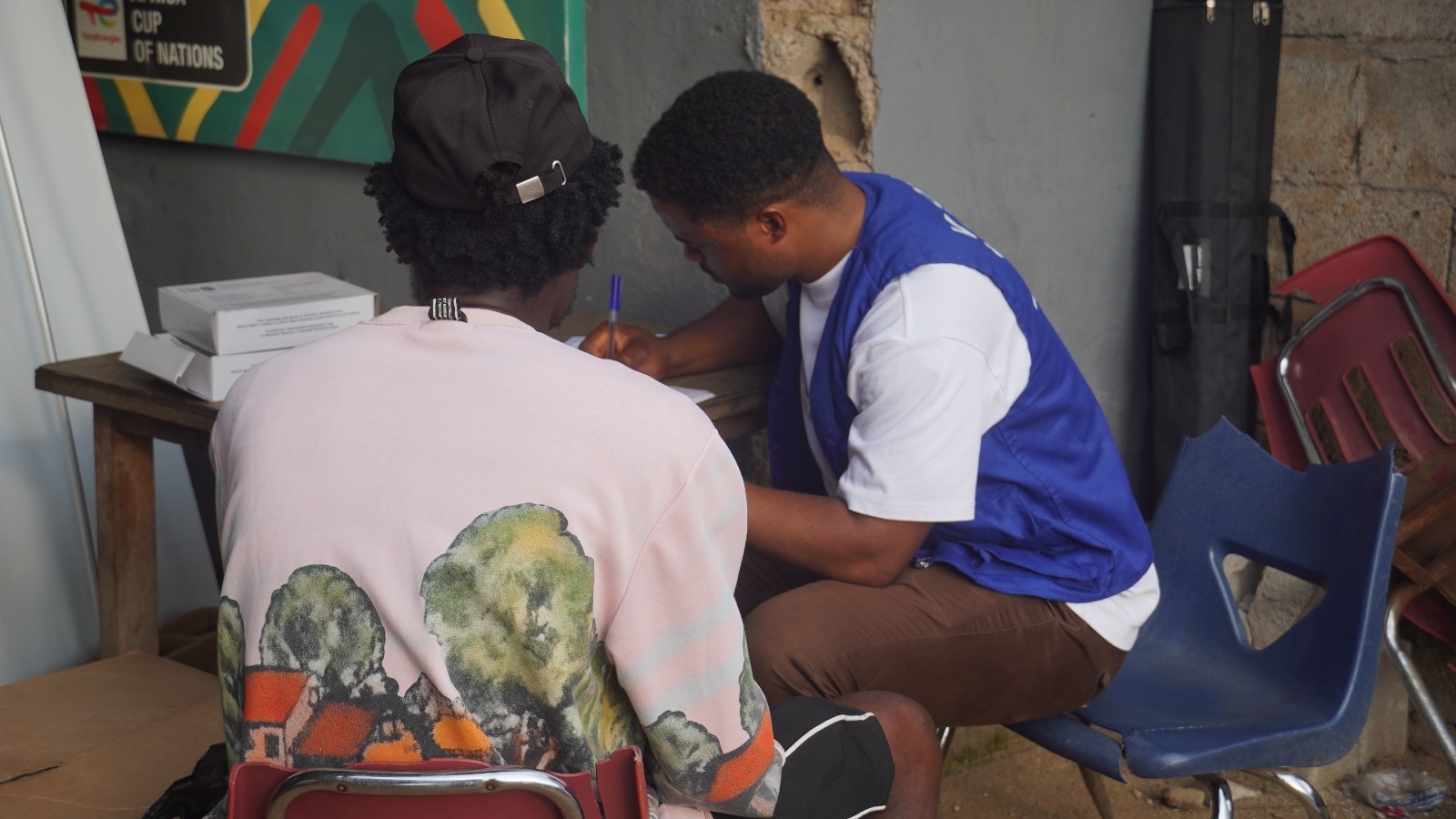
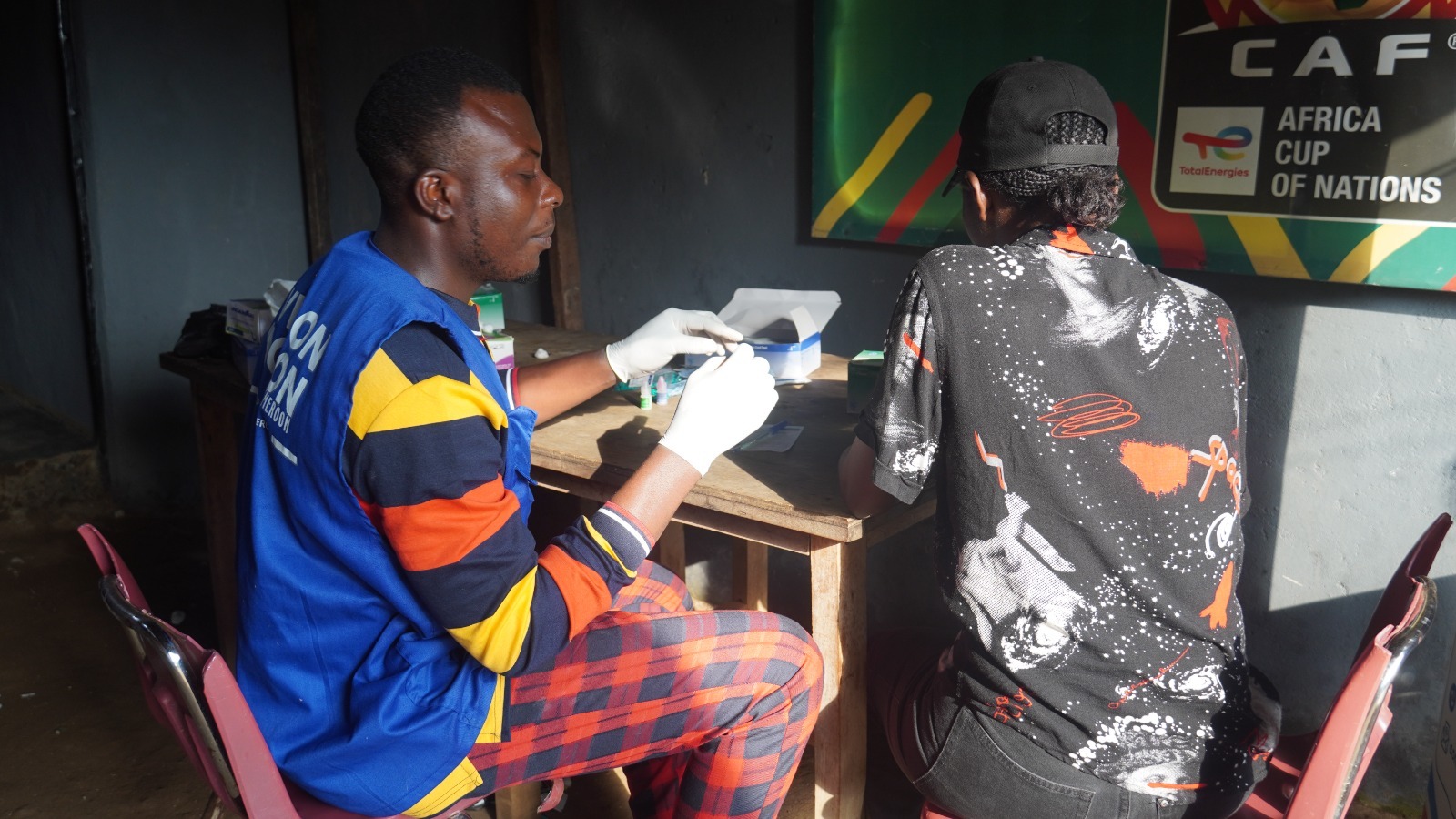
Equitable access to health services remains a critical gap, one that directly shapes community health outcomes. We implemented a free, inclusive STI screening campaign, providing confidential testing for HIV, Hepatitis B, and Syphilis to individuals who often face barriers to care. For many participants, particularly those from underserved and stigmatized communities, this was more than a service; it was access to safe, respectful, and non-judgmental care. The impact extends beyond individual testing. By creating trusted entry points into the health system, this intervention strengthens early detection, reduce |
|
| s transmission risks, and improves long-term health outcomes at the community level. It also reinforces a critical shift moving from exclusion to inclusion in sexual and reproductive health and rights (SRHR) service delivery. However, gaps in access persist, and without sustained outreach, vulnerable populations remain at risk. |
|
Scaling inclusive, community-based health services is essential to reducing inequalities and strengthening public health systems. We call for continued partnership and investment to expand access and ensure no one is left behind. |
|
|
|---|
|
Empowering Adolescents to Lead Informed SRHR Conversations |
|
|
|---|
|
When young people understand their rights, they become powerful agents of change within their communities. We convened a Values Clarification and Attitude Transformation (VCAT) session with adolescents from Vitalis Africa, creating a safe space to explore body autonomy, reproductive health rights, and informed decision-making. Through participatory dialogue and a “Myth or Fact” exercise, participants challenged misinformation and strengthened their understanding of accurate, evidence-based sexual and reproductive health and rights (SRHR) information. The impact was immediate. Adolescents demonstrated increased confidence in discussing sensitive topics, breaking down stigma, and supporting their peers with reliable knowledge. Many expressed a strong commitment to becoming peer advocates, ensuring that other young people understand their right to make informed decisions about their health. |
|
|
|---|
|
Addressing Menstrual Health Realities Among Underserved Women |
|
|
|---|
|
Menstrual health challenges are not just biological, they are shaped by economic vulnerability, stigma, and living conditions. We facilitated a safe, confidential dialogue with 20 women in high-risk livelihoods, creating space for honest conversations on menstrual health and hygiene. Through participatory discussions, practical examples, and peer exchange, the session surfaced critical gaps in knowledge and access that directly affect daily survival and well-being. While menstruation is a shared experience, participants described it as disruptive and economically sensitive, often impacting their ability to work. Limited knowledge of cycle tracking made planning difficult, while stigma forced many to conceal menstrual experiences to avoid financial loss. Hygiene practices were adapted to challenging environments, with frequent use of disposable materials despite limited access to safe and adequate facilities. These realities highlight a deeper inequality, menstrual health remains inaccessible for many, not due to lack of awareness alone, but because of structural and economic barriers. Targeted, context-sensitive interventions are essential to bridge these gaps. We call for sustained support to expand inclusive menstrual health solutions that protect dignity, health, and livelihoods. |
|
|
|---|
|
Strengthening Accountability and Renewing Partnerships Through Transparency |
|
|
|---|
|
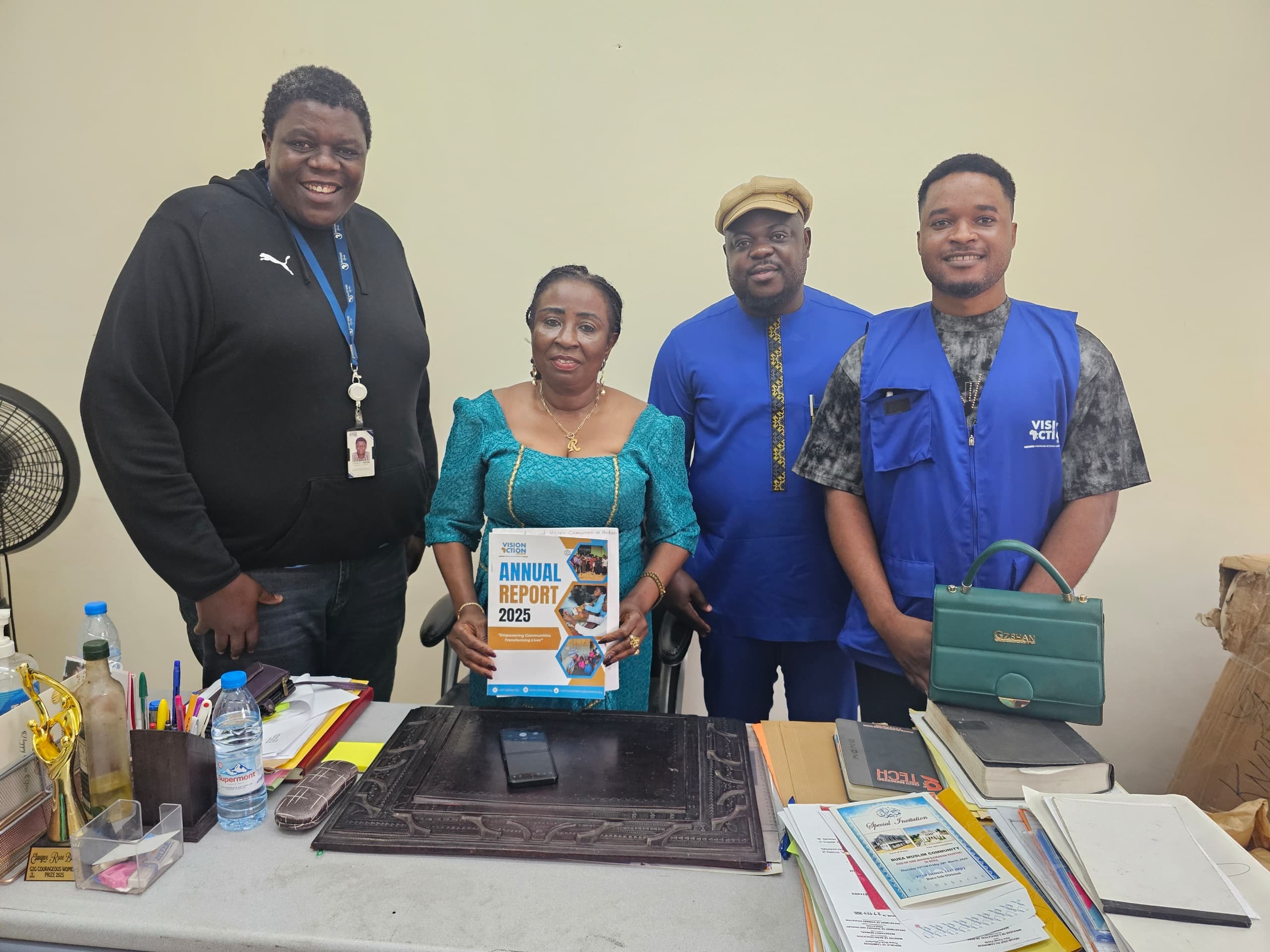
Accountability builds trust and trust sustains impact. This month, we distributed copies of its 2025 Annual Report to partners at both local and national levels. This effort goes beyond reporting; it reflects our commitment to transparency, shared learning, and responsible stewardship of resources. By providing a clear account of our work, impact, and lessons from the past year, we create space for partners to engage meaningfully, assess progress, and align future priorities. It also serves as an opportunity to appreciate the critical role of our partners and renew our collective commitment to advancing inclusive sexual and reproductive health and rights (SRHR) across Cameroon. In a context where trust and accountability are essential for sustainable development, |
|
| open reporting strengthens collaboration and ensures that interventions remain responsive, effective, and impactful. We invite you to explore our 2025 Annual Report and continue this journey with us; because lasting change is built through informed, transparent, and collaborative action. |
|
|
|---|
|
01. International Women’s Day Was Never Meant to Be Comfortable It didn’t start with flowers. It didn’t start with celebration. It started with resistance. Behind every March 8 post is a history of women who stood up against exploitation, inequality, and silence, women who demanded rights in systems that denied them dignity. What we see today is only part of the story. The real story, the one that explains 'why this day still matters'-goes deeper into the struggles of women workers, the fight for representation, and the movements that shaped global advocacy for gender equality. If we forget where it started, we risk losing what it stands for. Click to read the full story on our blogand rediscover the true meaning of International Women’s Day. |
|
|
|---|
|
02. What If “Class Position” Is Doing More Harm Than Good? In many schools across Cameroon and Sub-Saharan Africa, report cards don’t just show performance, they rank students against each other. A system rooted in colonial education models, designed to reward competition. But at what cost? Emerging research shows that constant comparison can affect adolescents’ mental health, motivation, and peer relationships, turning learning into pressure rather than growth. The real question isn’t whether students should be assessed. It’s whether ranking them against one another is the most fair and development-focused approach. Click to read more on our blogand explore why it may be time to rethink how we measure success in our classrooms. |
|
OUR JANUARY & FEBRUARY NEWSLETTER HIGHLIGHTS |
|
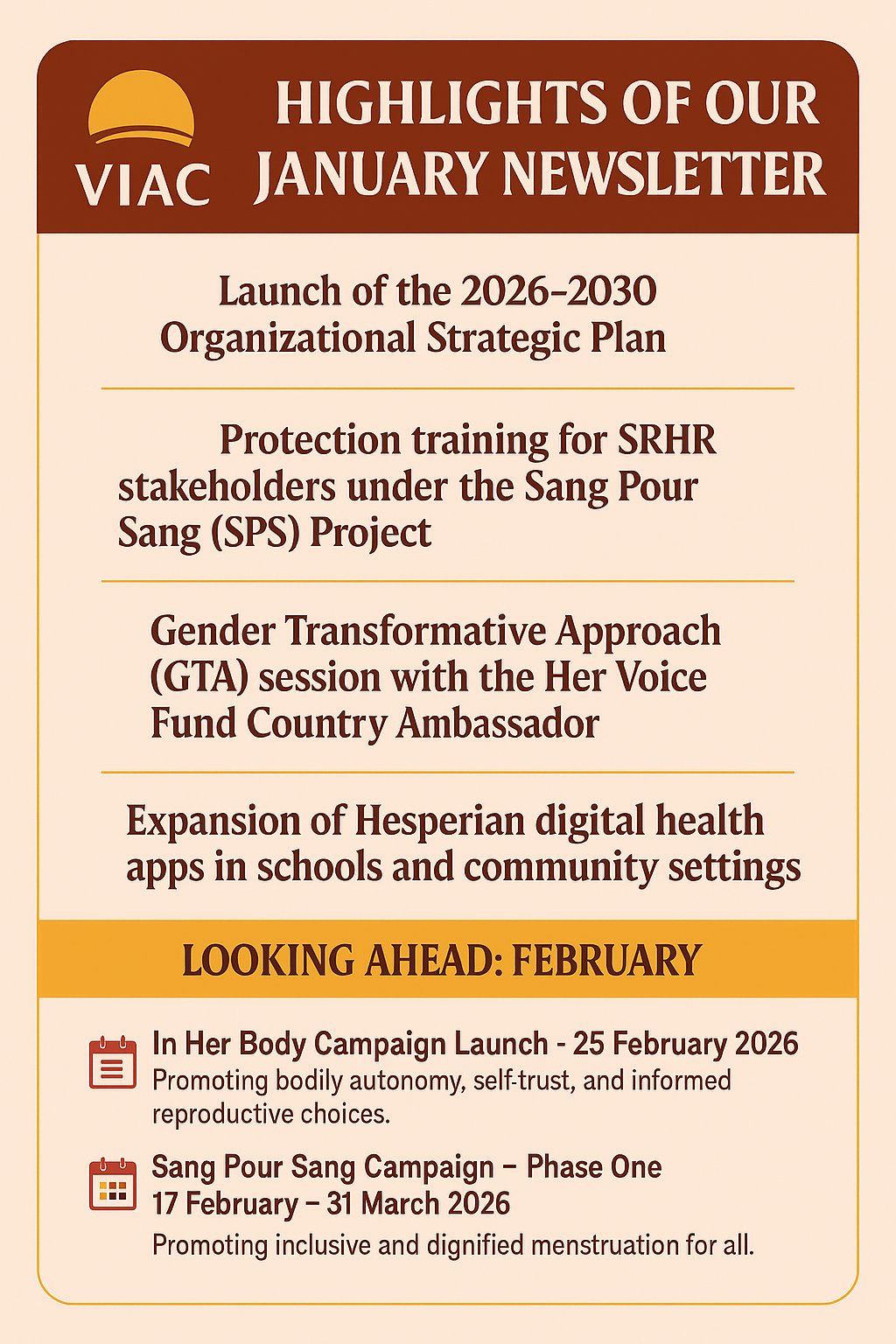
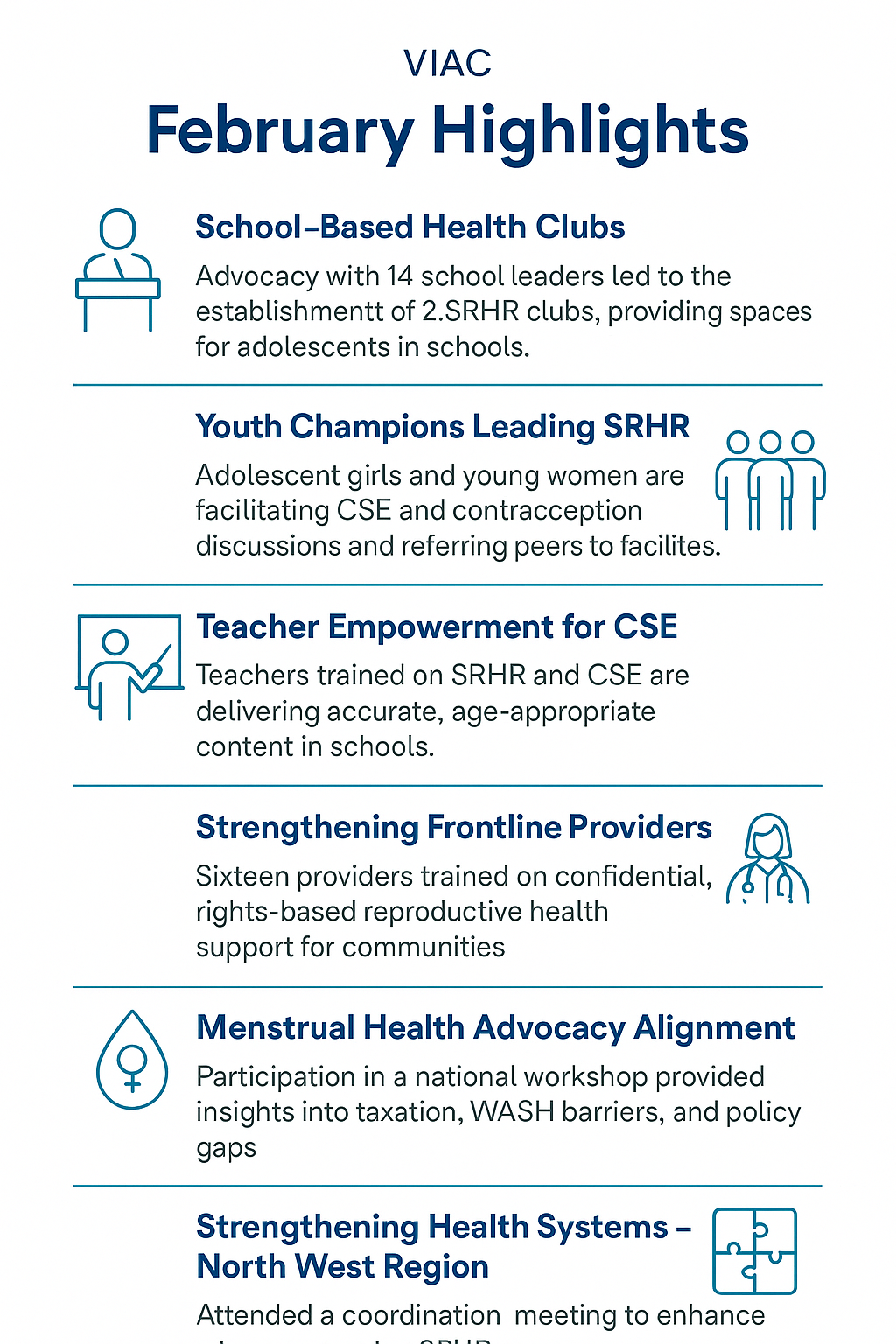
Missed Our Previous Editions? Catch Up on the Impact Before you go, take a moment to look back. Our January and February newsletters capture key milestones, lessons, and shifts that continue to shape the work you see today; from strengthening systems to empowering communities and advancing inclusive health access. Each edition builds on the last. Understanding where we’ve been gives deeper insight into where we’re going. We invite you to glance through the highlights and click the links to explore the full stories from our past editions. February: https://archive.sendpul.se/v/4xnod/1he7f/ January: https://archive.sendpul.se/v/4xnod/1gcbd/ |
|
© Copyright, 2026, Vision In Action Cameroon communications@viacame.org |
|
This email has been sent to you, because you are a subscriber of Vision In Action Cameroon's Monthly Newsletter. Unsubscribe |
|
|
|---|
|
|
|