Dear Reader, February was a month of quiet but powerful shifts. We witnessed adolescent girls and young women step into leadership, teachers strengthen their delivery of comprehensive sexuality education, and health providers improve the dignity and confidentiality of care. Schools moved from conversation to institutional commitment. Partners aligned around shared priorities. Systems began responding more intentionally to young people’s needs. These are more than activities; they are foundations for long-term change. Yet, progress at this stage requires sustained investment. Momentum must be protected and expanded to ensure that gains in youth leadership, school engagement, and service delivery translate into lasting impact. As you read this edition, we invite you to see both the progress achieved and the opportunity ahead. Together, we can secure inclusive, resilient sexual and reproductive health systems for the next generation. |
|
VIAC Establishes School-Based Health Clubs to Strengthen SRHR for Youth |
|
|
|---|
|
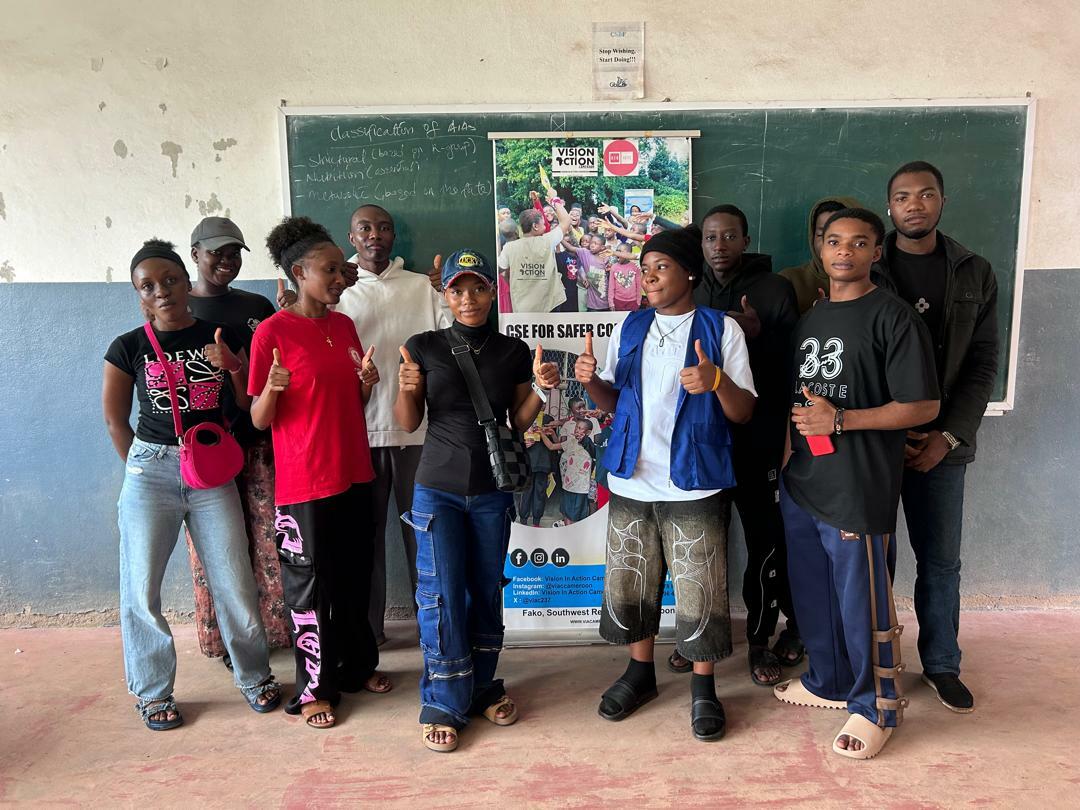
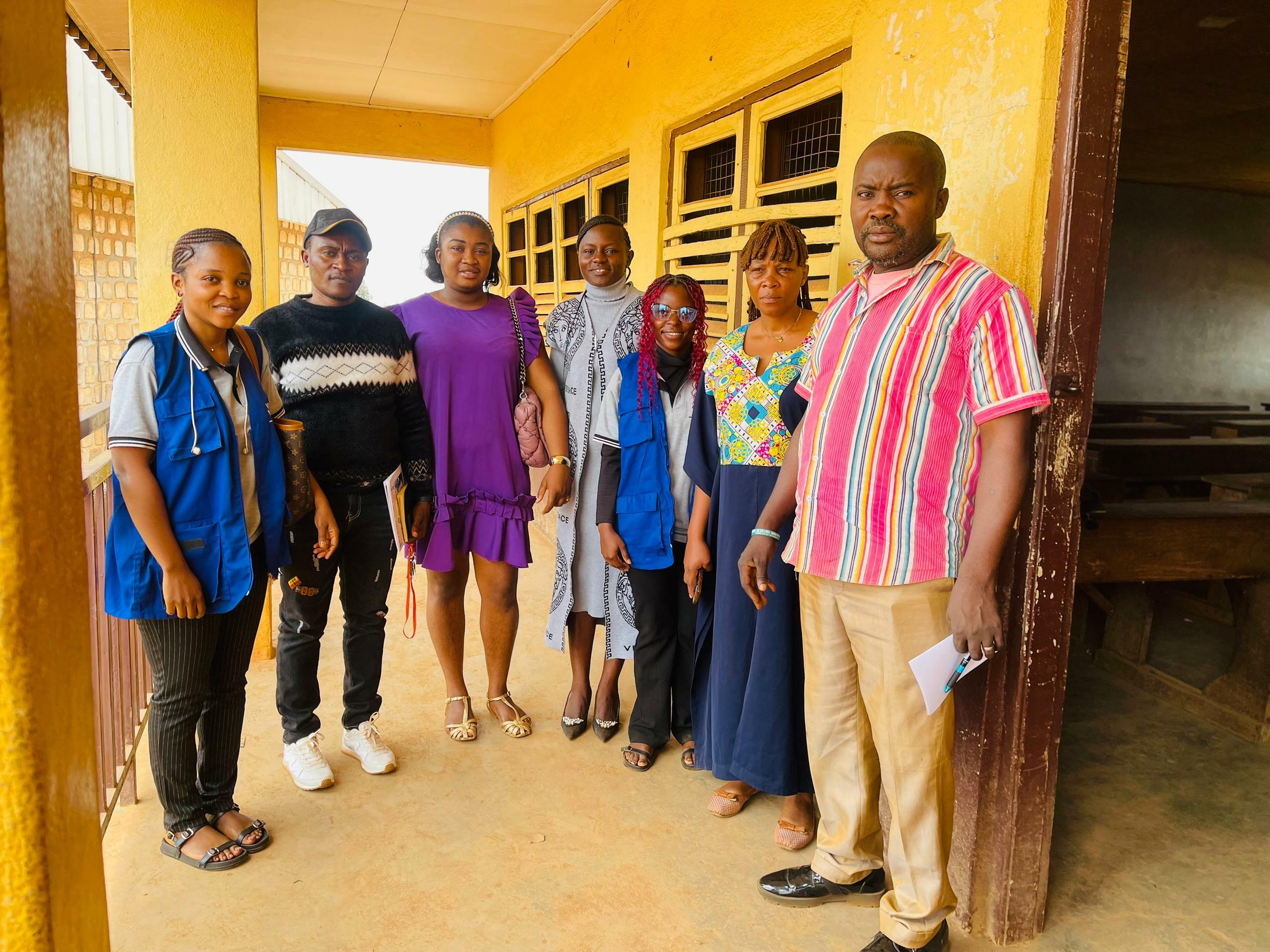
Creating sustainable platforms for adolescent engagement is transforming the future of sexual and reproductive health and rights (SRHR) in Cameroon. This month, through targeted advocacy with 14 school administrators, we successfully established two SRHR clubs in schools, marking a significant achievement in advancing inclusive health education. These clubs provide adolescents with safe, structured spaces to access accurate SRHR information, build life skills, and engage in peer-to-peer learning. By moving school leadership from cautious engagement to formal acceptance, VIAC has secured institutionalized platforms that ensure continuity beyond one-off interventions. The impact is immediate and long-term: empowered students gain knowledge and confidence to make informed decisions, |
|
| while normalized conversations around SRHR help shift community perceptions. Strategically, this positions us as a leading SRHR organization in Cameroon, demonstrating our ability to drive systemic change at the school and community level. This milestone underscores the need for continuous partnerships and collaboration to expand youth-led advocacy, sustain inclusive health education, and strengthen Cameroon’s SRHR ecosystem. |
|
|
|---|
|
Our Champions Shaping the Future of SRHR Access |
|
|
|---|
|
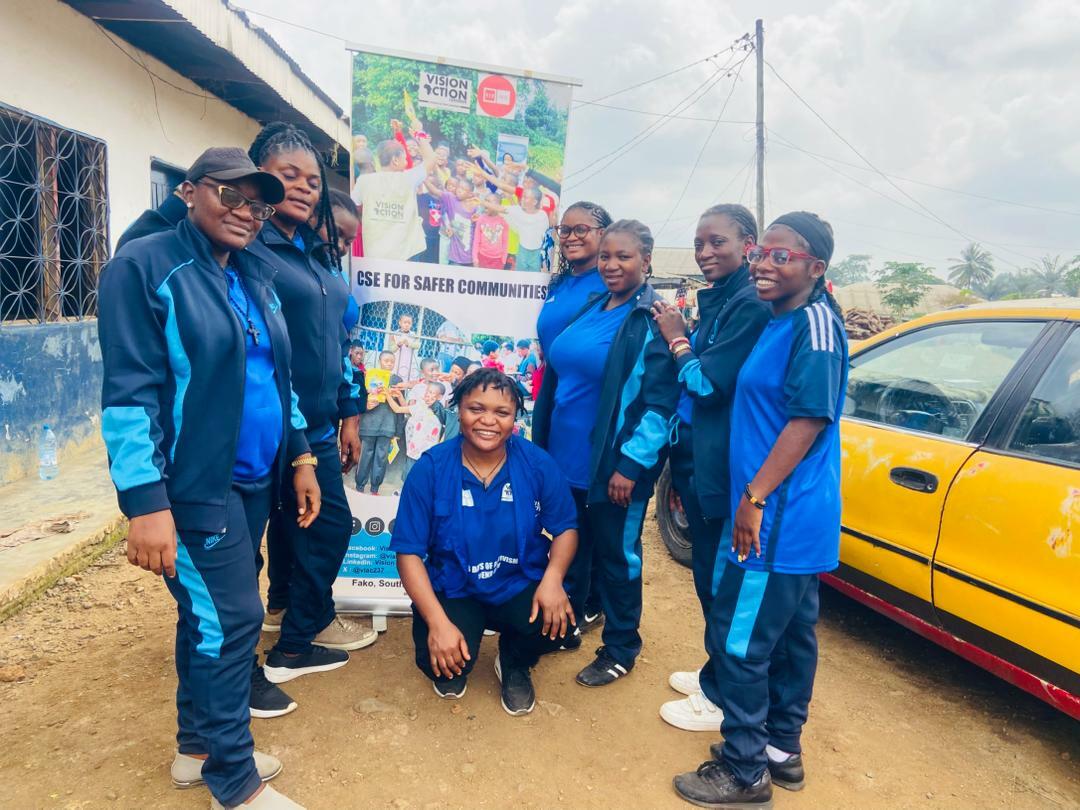
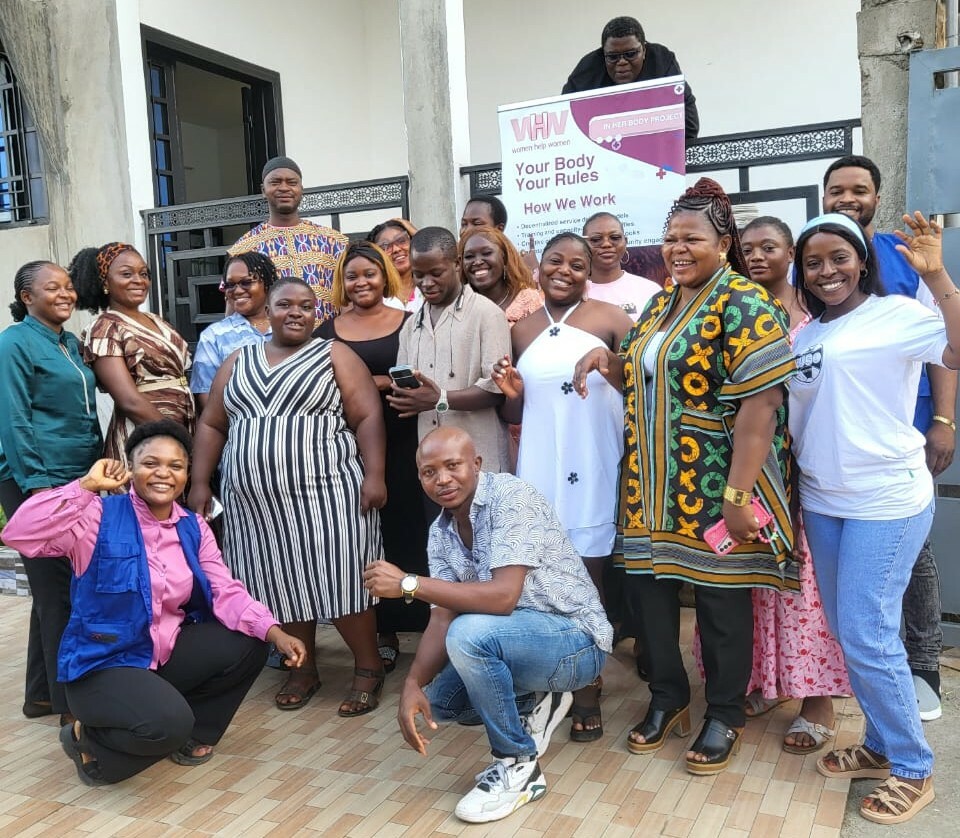
In February, one of our most notable achievements was the leadership shown by our trained young champions. Most adolescent sessions were facilitated or co-facilitated by adolescent girls and young women (AGYW), signaling a strong shift toward youth-led advocacy. AGYW not only participated but actively guided |
|
| discussions on comprehensive sexuality education (CSE), contraceptive access, and youth-friendly services. Many extended their engagement beyond formal sessions, normalizing conversations around sexual and reproductive health and rights (SRHR) and referring peers to health facilities. This growing confidence and sense of ownership mark a transition from information recipients to community advocates, reinforcing demand for accurate information and responsive services. Their leadership demonstrates the transformative potential of youth-driven initiatives in shaping SRHR access and empowering the next generation of community health champions. |
|
|
|---|
|
Empowering Teachers to Deliver Comprehensive Sexuality Education (CSE) and SRHR |
|
|
|---|
|
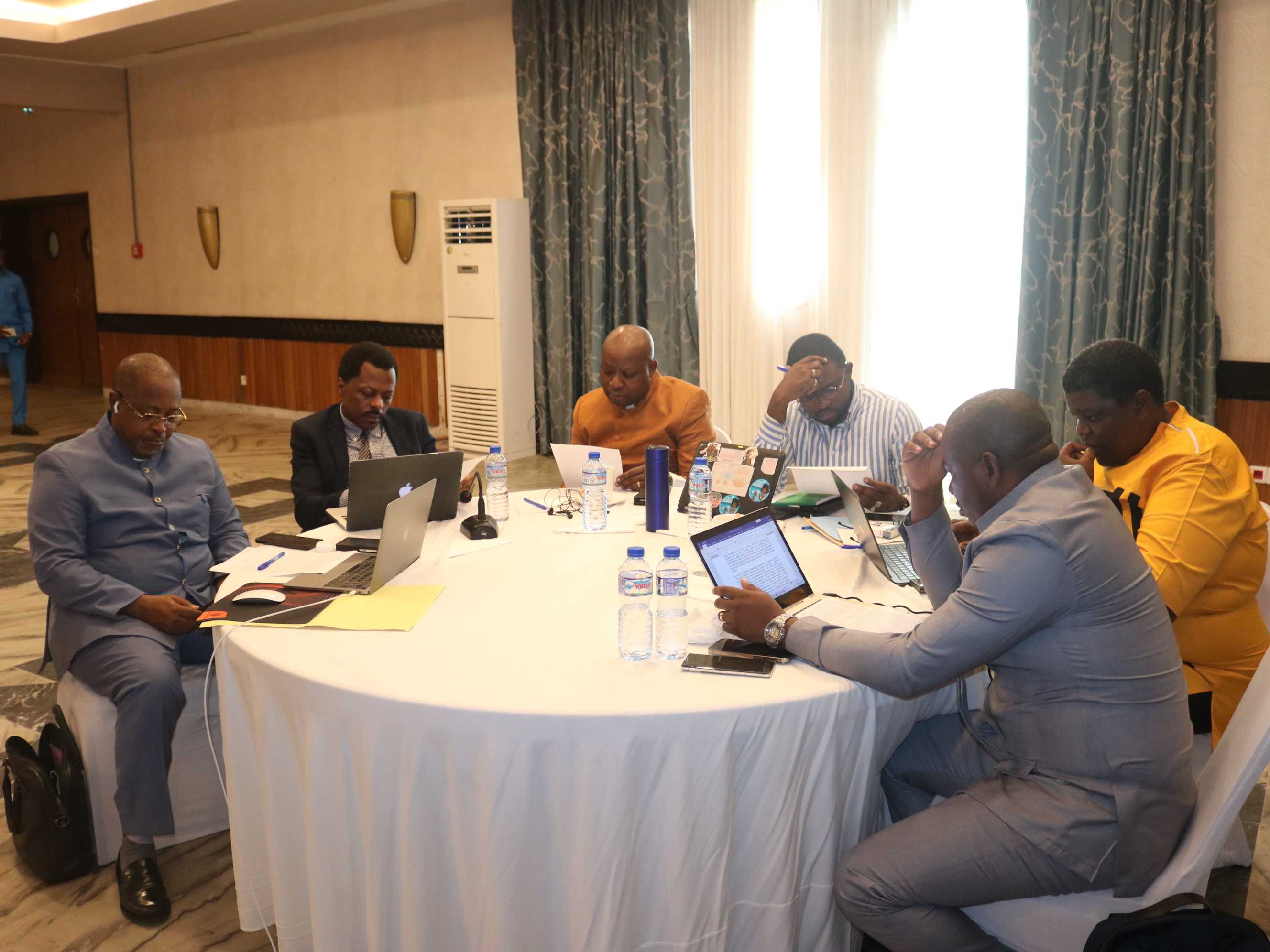
Strong, well-trained teachers are the cornerstone of effective sexual and reproductive health education in schools. We conducted targeted training for teachers and school administrators to strengthen their capacity in sexual and reproductive health and rights (SRHR) and comprehensive sexuality education (CSE). The sessions equipped educators to deliver accurate, age-appropriate, and inclusive SRHR information, fostering supportive classroom environments where adolescents can make informed decisions. |
|
|
|---|
|
While this marks important progress, continued efforts are needed to expand teacher capacity, deepen curriculum |
|
| integration, and ensure consistent delivery of high-quality CSE across schools. Sustained engagement with educators is essential to building confidence, addressing misconceptions, and reinforcing inclusive teaching practices. By investing in teachers, we are strengthening the educational foundation for long-term adolescent health outcomes. We remain committed to scaling teacher-focused interventions and advancing inclusive SRHR education nationwide through continued partnership and collaboration. |
|
|
|---|
|
Strengthening Frontline Providers to Deliver Safer, Confidential Reproductive Health Support in Communities |
|
|
|---|
|
Equipping frontline providers with accurate knowledge, ethical clarity, and protective systems ensures communities receive safer, more dignified reproductive health support. In February, we strengthened the capacity of 16 healthcare providers (13 women, 3 men) drawn from local facilities to deliver confidential, non-judgmental, and rights-based care in sensitive reproductive health contexts. The session assessed baseline attitudes, addressed stigma, clarified Cameroon’s legal framework, and reinforced ethical responsibilities within current policy limits. |
|
| Through values clarification, providers confronted personal and societal biases that often shape service delivery. Holistic security discussions enhanced personal discretion, digital data protection, and facility-level safeguarding, critical in crisis-sensitive environments. Evidence-based guidance improved participants’ ability to identify eligibility criteria, recognize warning signs, communicate effectively with adolescents, and make timely referrals. Impact was immediate: 100% completion of knowledge assessments, measurable improvement in technical confidence, and universal signing of undertakings committing to confidentiality and respectful care. This training lays out the groundwork for safer service pathways and stronger accountability systems in the South West Region. Now is the time to scale this model, partner with us to expand provider capacity and strengthen community-level reproductive health safeguards. |
|
|
|---|
|
Aligning National Advocacy to Strengthen Inclusive Menstrual Health Action |
|
|
|---|
|
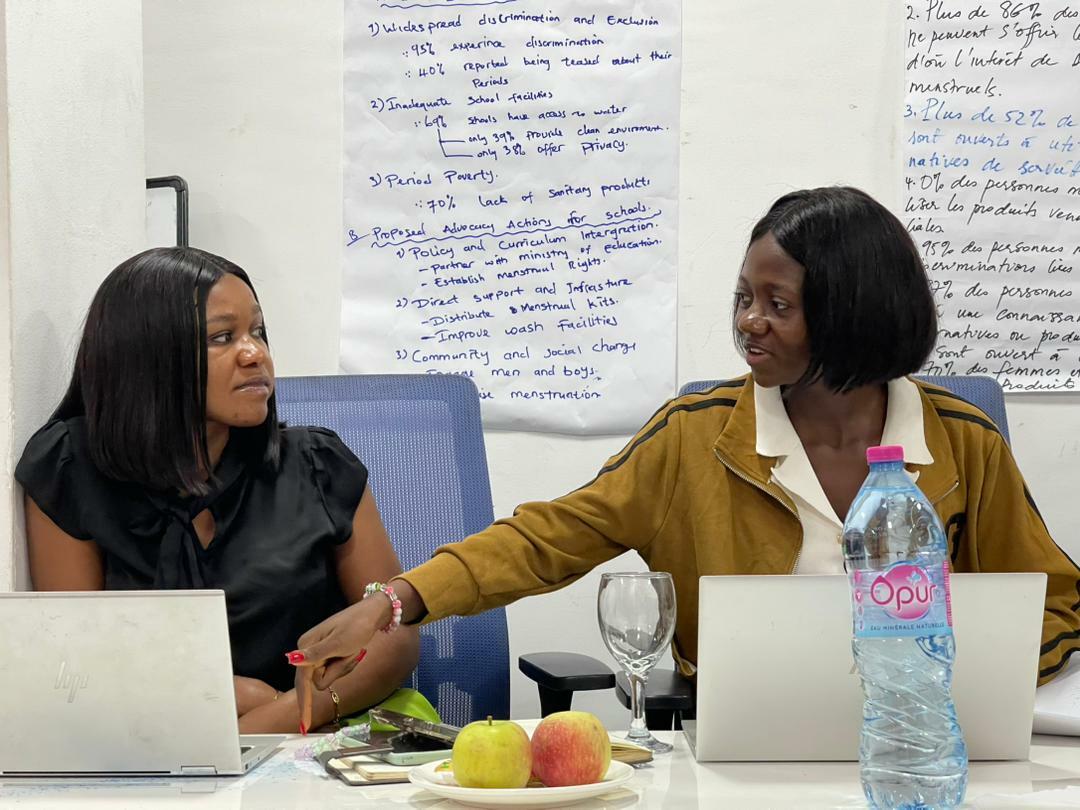
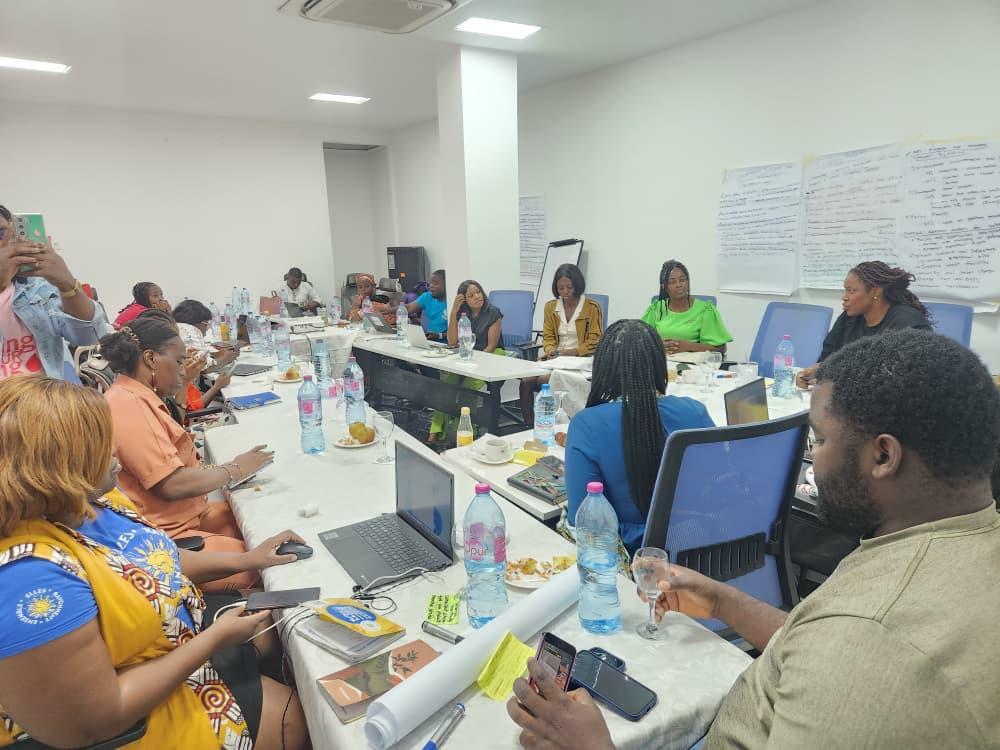
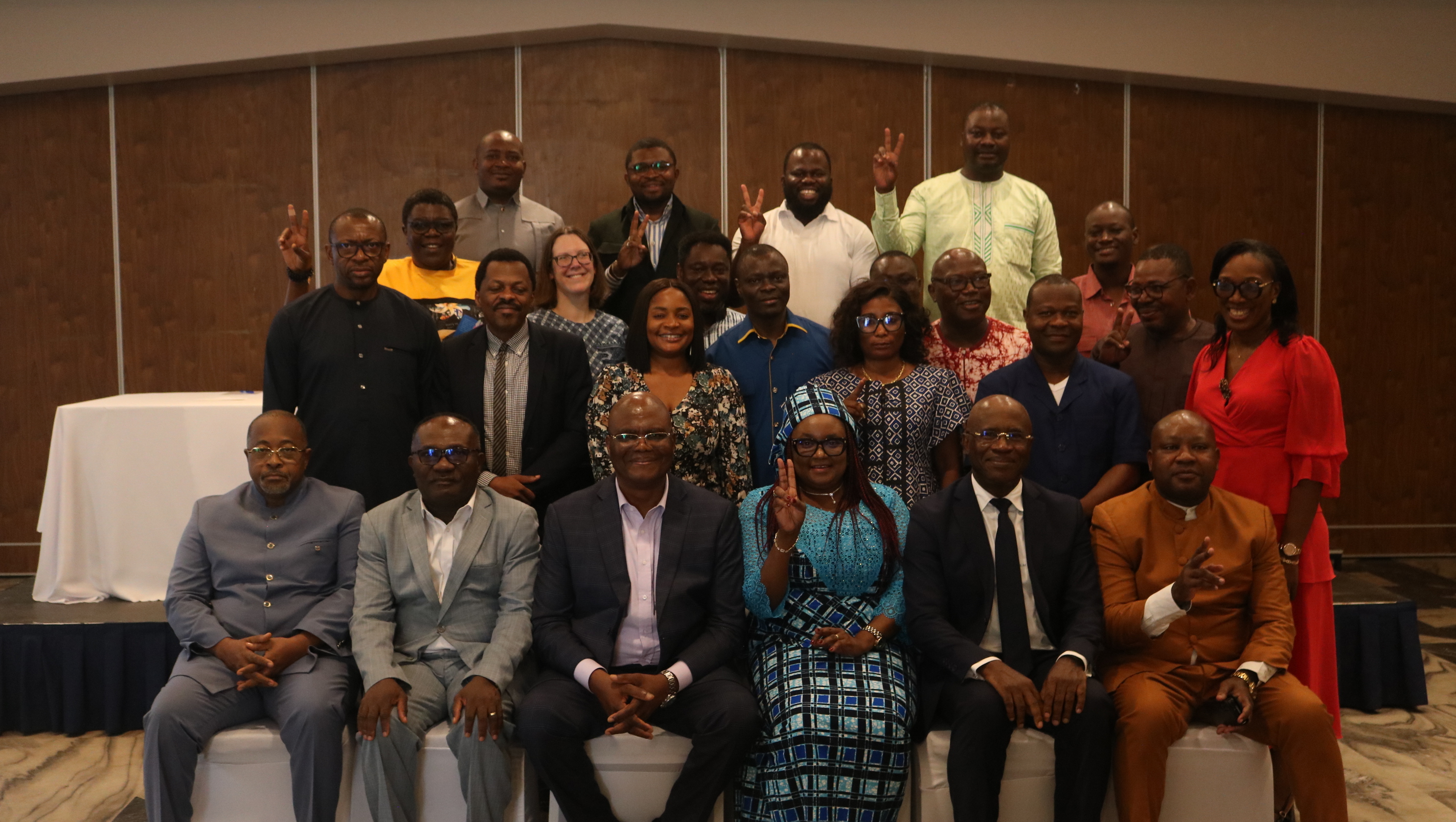
When national actors coordinate shared priorities, community interventions become more responsive, scalable, and policy-driven. From 3–5 February 2026 in Douala, two of our staff members joined 12 civil society organizations at the National Ecosystem and Advocacy Workshop convened by Fòs Feminista under the Sang Pour Sang consortium. The convening reviewed regulatory gaps, taxation on menstrual products, WASH barriers, and funding dynamics while identifying clear advocacy priorities. |
|
| For us, the impact is strategic. Insights from policy discussions and baseline findings will sharpen our school-based menstrual education programming, strengthen our community engagement models, and enhance how we frame advocacy on affordability and stigma reduction. As we continue integrating menstrual education in schools, we will further align content with national reform efforts and evidence-based messaging. The workshop also reaffirmed the importance of safe dialogue spaces and participatory learning approaches in improving knowledge, retention, and confidence among young people. Sustained progress requires continued national coordination and recurring multi-actor dialogues. We remain committed to advancing inclusive and dignified menstrual education for all menstruators and calls for strengthened partnerships to scale collective impact nationwide. |
|
|
|---|
|
Coordinated Action for Stronger, Accountable & Impactful Health Systems in the North West |
|
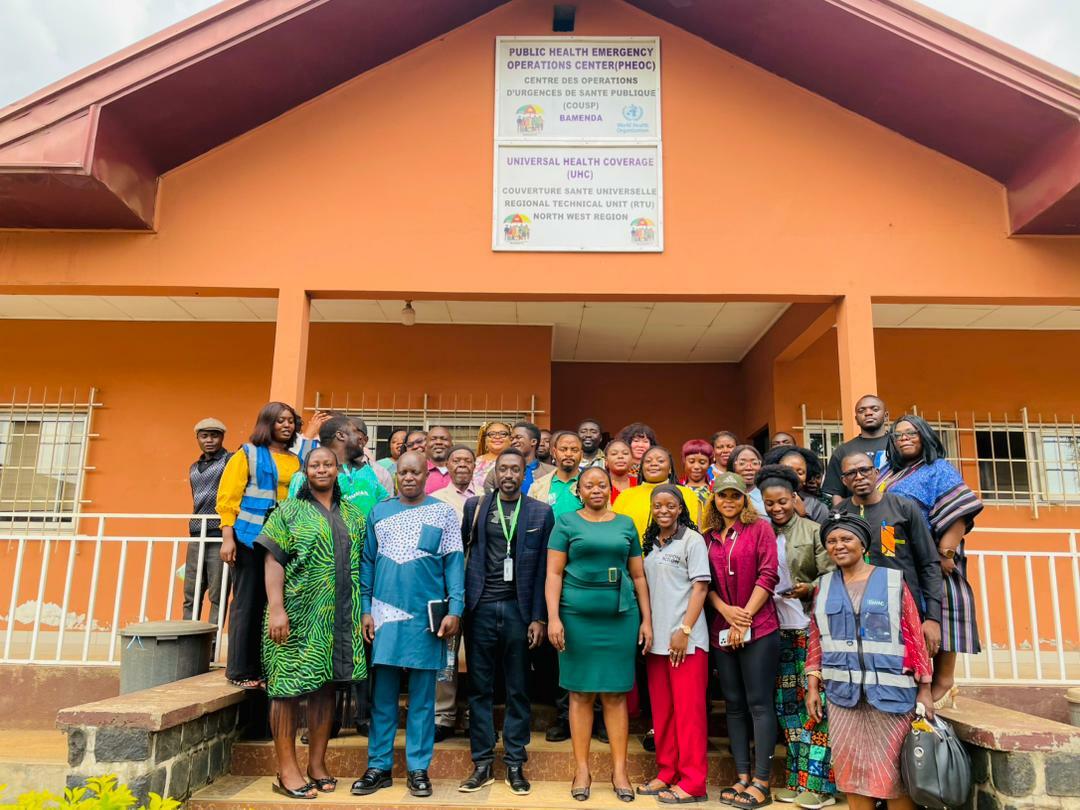
Resilient health systems are built on structured collaboration, accountability, and shared responsibility. We participated in a Partnership Coordination Meeting convened at the Regional Delegation of Public Health in the North West Region, bringing together NGOs, CBOs, and associations to reinforce coordinated health action. The platform focused on improving partner mapping, clarifying due procedures for humanitarian interventions, and strengthening compliance with regional health protection policies. We engaged alongside CAMNAFAW, HEDECS, GLOSIR, CHRISS Foundation, and Médecins du Monde, reaffirming a collective commitment to aligned, policy-compliant programming. This coordination mechanism strengthens how we design and deliver community-based sexual and reproductive health initiatives, ensuring they are responsive to crisis realities while aligned with regional health priorities. Sustainable impact demands consistent, structured engagement among actors operating in fragile contexts. We remain committed to collaborative action and invite continued partnership to strengthen accountable, community-centered health systems in the North West Region and Cameroon at large. |
|
|
|---|
|
Uniting Francophone Africa: VIAC Drives Regional Advocacy for Women’s Health and Policy Reform |
|
|
|---|
|
Regional collaboration is key to advancing women’s health, protecting lives, and shaping policies that save lives across Francophone Africa. We reinforced our role as a regional advocate by participating in a high-level initiative from 15–21 February 2026 in Lomé, Togo, and Grand Popo, Benin. Convened by Centre ODAS, FIGO, and IPPF, the event brought together stakeholders from Cameroon, Togo, and Benin to strengthen legal frameworks, advance evidence-based advocacy, and reduce preventable maternal deaths. |
|
| Our Executive Director, Peter, represented us in critical dialogues analyzing national contexts, mapping key actors, and exploring legislative pathways. Delegates exchanged lessons from Benin’s 2021 reform expanding first-trimester access, highlighting the importance of political commitment, strong coalitions, and data-driven advocacy. Cameroonian and Togolese representatives used these insights to refine strategies, improve coordination, and identify more effective ways to engage policymakers, community leaders, and religious actors. The mission culminated in the adoption of a regional roadmap promoting multi-actor coordination, sustainable collaboration, and actionable advocacy. Through this engagement, we reaffirmed our commitment to driving legal reforms, strengthening reproductive health systems, and advancing women’s dignity and rights across Francophone Africa. |
|
|
|---|
|
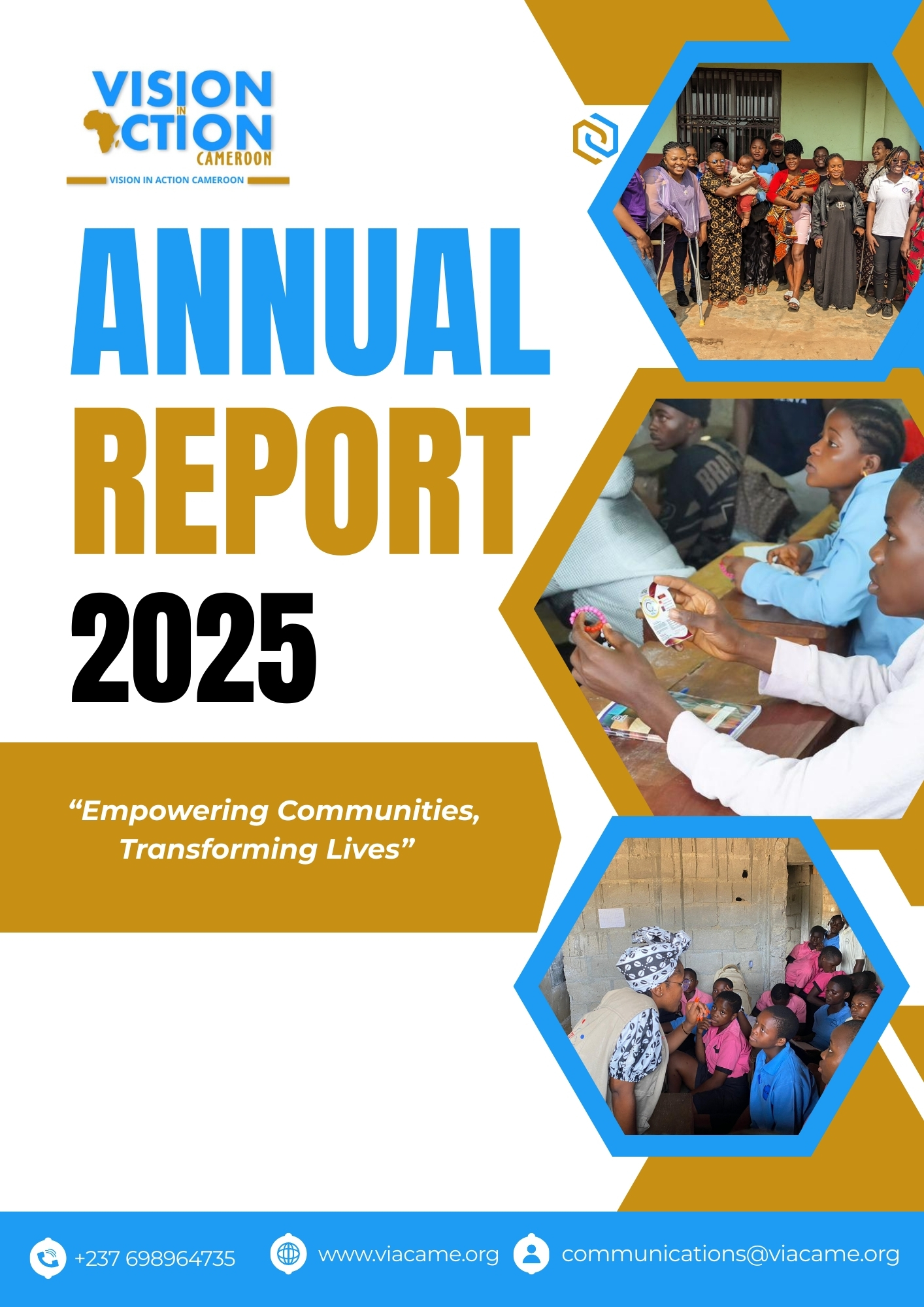
OUR 2025 ANNUAL REPORT IS HERE |
|
We are pleased to share that our 2025 Annual Report is now live on our website. This edition highlights our key achievements, milestones, and programmatic progress over the past year, while also reflecting on VIAC at @10, a decade of impact, learning, partnerships, collaboration, outreach, and flagship initiatives that have shaped and strengthened our work. The report further outlines how our new five-year strategic goals are fully integrated into our programming and institutional development, positioning us to deepen impact, strengthen systems, and drive sustainable, community-centered progress in the years ahead. We invite you to explore the full report and journey with us through ten years of growth, innovation, and transformative change. Read the full 2025 Annual Report here:
https://viacame.org/download/viacs-2025-annual-report/ |
|
|
|---|
|
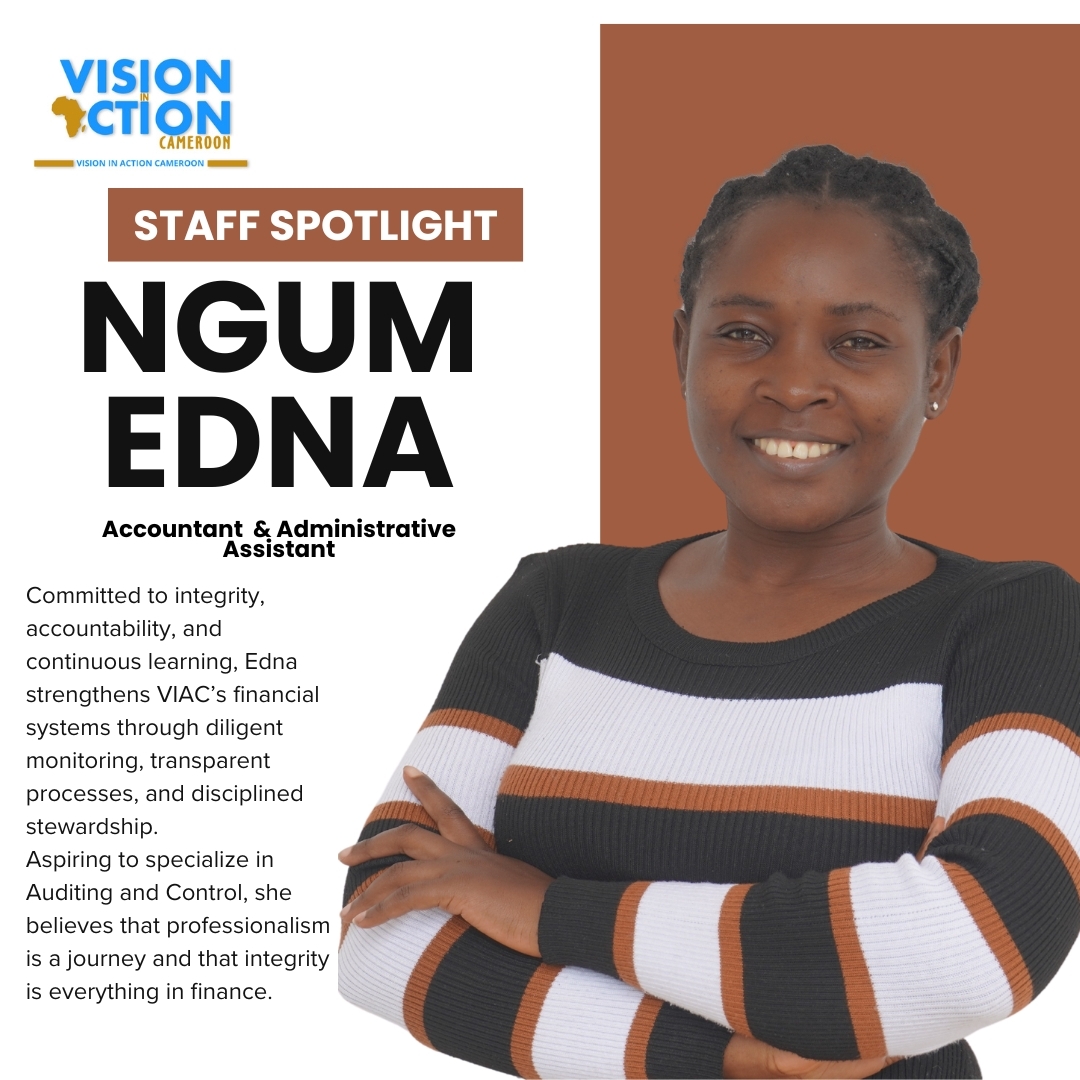
Behind every milestone, every strengthened system, and every empowered community are the dedicated individuals who make the work possible. This month, we are proud to introduce a new feature in our newsletter, Staff Spotlight. Going forward, we will highlight the diverse professionals whose expertise, resilience, and commitment drive VIAC’s impact. These are the people behind the programs, the accountability, and the results you see. We begin with Ngum Edna, our Accountant & Administrative Assistant, whose journey reflects resilience, service, and professional growth. |
|
|
|---|
|
A BSc holder in Accounting from the University of Buea (2020), Edna began her career in microfinance before serving as Bursar and Administrative Assistant in Kumba. She also volunteered for three years as Project Lead at the Lilian Dibo Foundation, advocating for the rights of persons with disabilities. Prior to joining VIAC in 2025, she served as Finance and Administrative Intern at Sightsavers International (Cameroon Country Office, Yaoundé). Here, Edna oversees cash disbursement, reconciliations, financial monitoring, partnership documentation, and administrative coordination, ensuring; compliance, transparency, and accountability across programs. She believes professionalism is continuous learning and upholds integrity as non-negotiable in finance. Guided by her faith and the principle of honesty, discipline, and accountability, Edna aspires to specialize in Auditing and Control and become a certified Chartered Accountant. Her commitment strengthens VIAC’s financial integrity, an essential pillar of sustainable impact. |
|
|
|---|
|
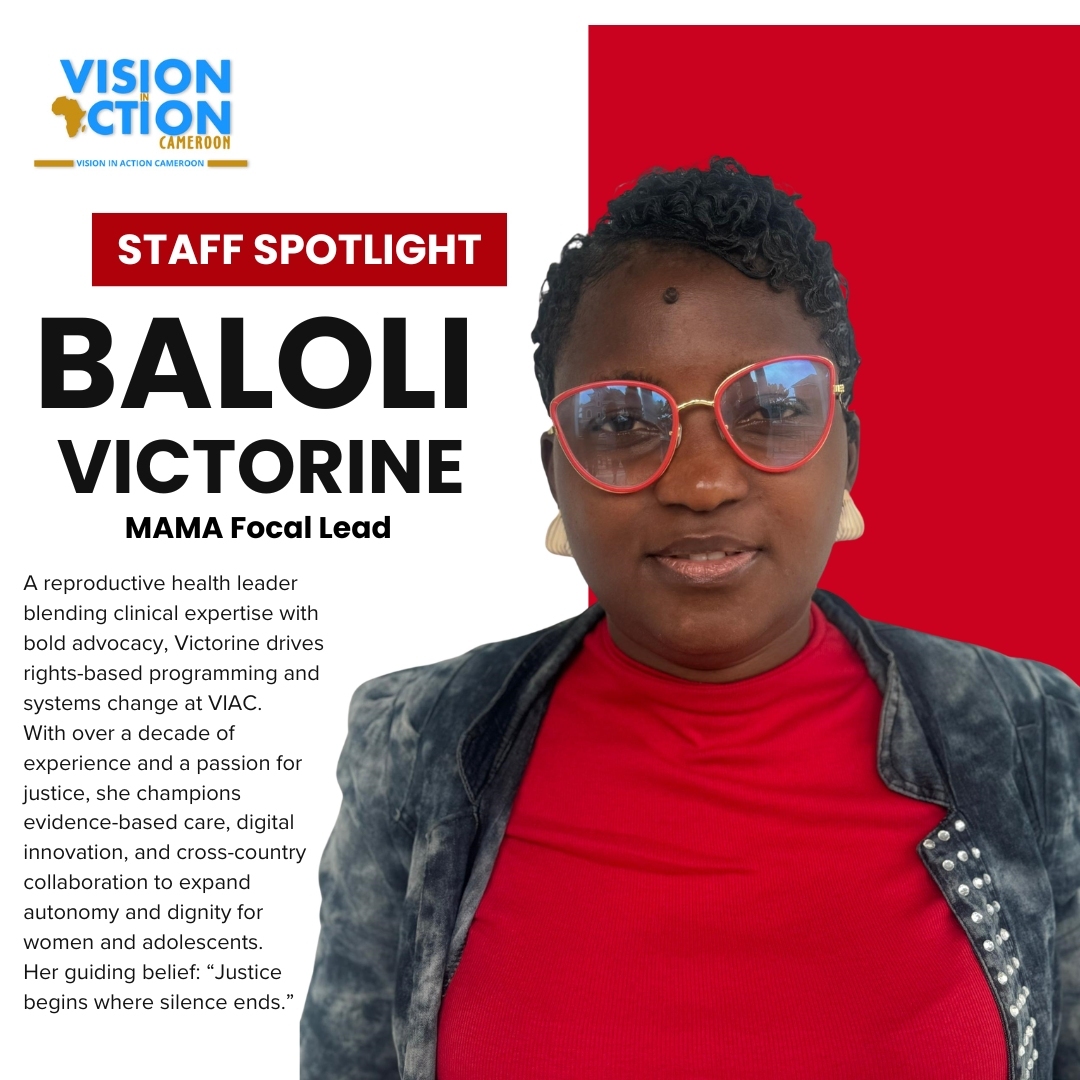
We celebrate leaders who combine clinical expertise with bold, systems-level advocacy. This month, we spotlight Baloli Victorine Namolongo, a reproductive health professional whose journey reflects courage, innovation, and a deep commitment to rights-based care. Victorine holds a BSc and HND in Nursing, with over a decade of experience spanning maternity and surgical care, teaching, advocacy, and programme leadership. Currently pursuing an MSc in Sexual and Reproductive Health Policy and Programming (LSHTM & University of Ghana), she continues to strengthen her expertise in health systems and policy reform. She is also a Certified Project Manager with advanced training in digital security, data systems, trauma-informed care, and feminist leadership. At VIAC, she leads community-based hotline systems, provider capacity strengthening, data-driven programme adaptation, and high-level SRHR advocacy. She has designed and scaled a rights-based hotline serving over 6,000 users and coordinated a regional network of 72 African SRHR organizations. Guided by her belief that “justice begins where silence ends,” Victorine remains committed to expanding autonomy, dignity, and informed choice across crisis-affected contexts. |
|
|
|---|
|
We are pleased to inform you that the call for applications for Cohort 2 of the ODAS Activist University (UMOdas) program is open. After a first edition that mobilized 230 young people from 17 French-speaking African countries, this new cohort is dedicated to research and knowledge management on safe abortion. It aims to strengthen the methodological, analytical, and scientific skills of young pro-choice activists to generate evidence for advocacy and social change. The program is completely free, 100% online and runs for 12 weeks. It includes six thematic modules, support from coaches and the co-production of a research product at the end of the course. We invite you to relay this call within your organizations, networks and communities, especially to young people engaged and passionate about research on SRHR and access to safe abortion. The ODAS team remains at your disposal for any further information. You can contact thiombianor@centre-odas.org with a copy communication@centre-odas.org |
|
Massive Open Online Course – Tackling gender-based violence onlineGender-based violence (GBV) is a critical issue that has evolved with the rise of digital technology. As young people increasingly interact in online environments, it is important to understand and explore how GBV manifests in these spaces. Are online instances of GBV similar to those occurring offline? Where do they differ? How does GBV present itself in the digital spaces where children and young people are growing up? What are its causes and consequences? Understanding these aspects is crucial, as GBV affects not only women and girls but also disproportionately impacts vulnerable groups, including young people, LGBTQI+ people, people with disabilities, and even men and boys. For this reason we created a MOOC (Massive Open Online Course) now available as open resource, accessible here, (you just need to enroll into the course to have access to all the material!). This open resource will empower teachers and educators to initiate discussions and explore issues and experiences related to GBV with young people, using the Ctrl+Alt+GBV Toolbox created as part of the menABLE project. By building a solid understanding of these issues, educators will be better equipped to provide young people with the knowledge and tools needed to navigate and address GBV effectively. |
|
The Centre for Protecting Women Online is pleased to announce the 2nd Women & Girls’ Online Safety Conference. This interdisciplinary conference aims to bring together researchers, practitioners, and policymakers from all sectors to build a shared understanding of how we can address the challenges of online safety for women and girls. The conference will be an in-person event held at The Open University’s campus in Milton Keynes, UK Key Dates |
|
© Copyright, 2026, Owner: Vision In Action Cameroon, email; communications@viacame.org |
|
|
|---|
|
This email has been sent to you, because you are a customer or subscriber of Vision In Action Cameroon's Newsletter. Unsubscribe |
|
|
|---|
|
|
|