Building the Arsenal. Securing the Components to Sustain Combat PowerAnalytical report
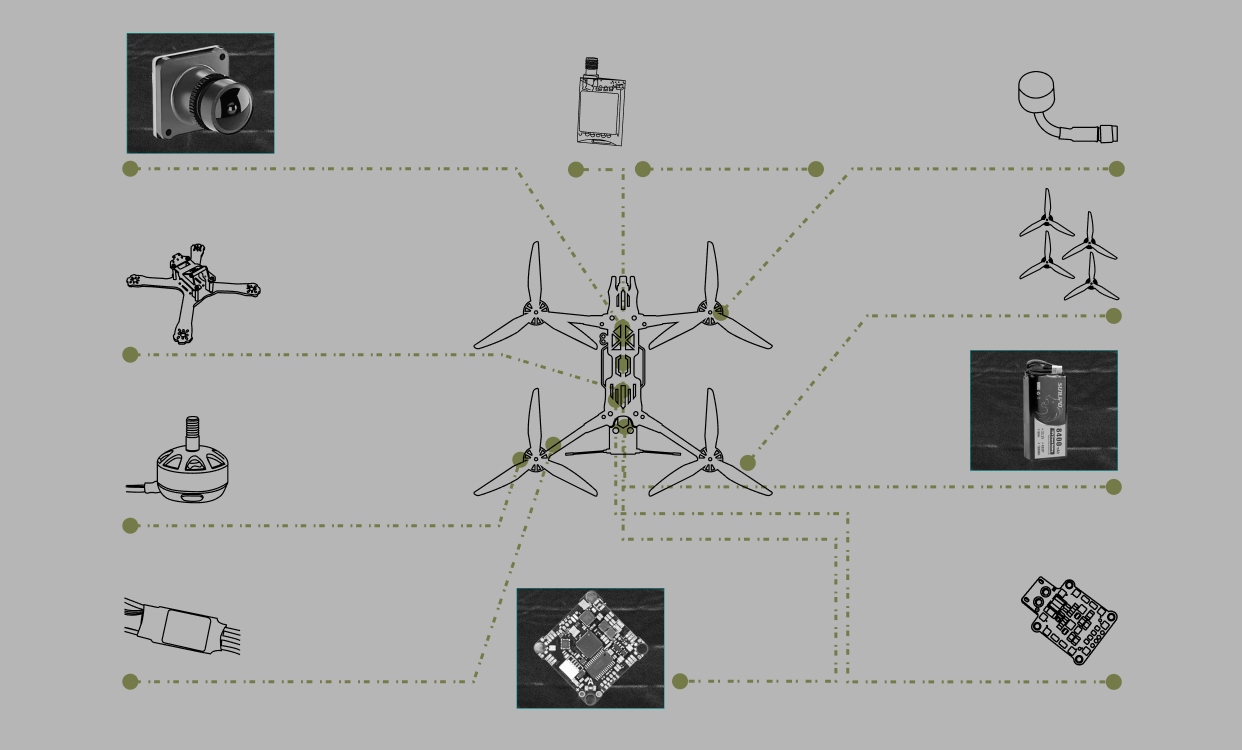
Our latest report, done in collaboration with the Ukrainian Council of Defence Industry, “Building the Arsenal: Securing the Components to Sustain Combat Power”, maps Ukraine’s UAS component supply chains and their wider implications for NATO.
Key findings: - Ukraine assembles 95% of its drones domestically, but around 90% of critical components by value still come from China, creating a major strategic vulnerability.
- China’s industrial leverage is already being used as a tool of pressure – including sanctions on Skydio that halted key battery supplies just days before the 2024 U.S. election.
- Imports of key components grew by 670% in 2024 vs. 2023, deepening dependence instead of reducing it.
- Russian firms are buying out entire production lines in China, securing priority access to motors and other high-demand parts despite sanctions.
- Ukrainian manufacturers are eager to pivot to Western alternatives – about 77% would abandon Chinese sourcing if competitive options were available.
- Chinese export restrictions drive sharp price shocks, e.g. high-end infrared modules rising from $400–500 to over $1,500 per unit.
- China controls over 80% of global NdFeB magnet output, making full localization of critical components impossible without broader industrial policy shifts.
“For our allies, Ukraine's supply chain dependencies are not just our problem, but a preview of NATO's own strategic exposure,” said Catarina Buchatskiy, Director of Analytics at Snake Island Institute. “The same magnets we cannot secure, the same lithium chemistries we cannot replace, the same optical components we import under duress are embedded across Western defense programs. If China can constrain Ukraine today, it can coerce the Alliance tomorrow.”
“For allied policymakers, the message is clear: Ukraine’s defense industry has made remarkable strides in localization under wartime conditions, but the next phase—building a raw-material and component base—requires targeted support,” said Ihor Fedirko, CEO of the Ukrainian Council of Defence Industry. |