What is Safe Movement

Newsletter Archive

Risa_Logo_9364609e
Risa_Logo_9364609e

 Welcome Friends, to the latest edition of

 "Risa’s Musings" ...

Offering you Healthful Advice on Bone and Brain Health, Easy-To-Implement Tips, and Health Updates delivered straight to your inbox!


What is Safe Movement?

That is a big question that could mean many things. What I’m really asking is, “What is safe movement when practicing Yoga and other activities of daily living?” 

Humans have been doing Yoga for thousands of years, yet recently, our ways of practicing the most classic Yoga postures have begun to change. For instance, any posture involving forward bending will be changed slightly; instead of folding over from the lumbar spine in a rounded position which is seen frequently in Yoga classes, we will “hinge” from the hip joints creating a long, straight spine.  The postures themselves have not changed; the quality of how we do them is shifting. 

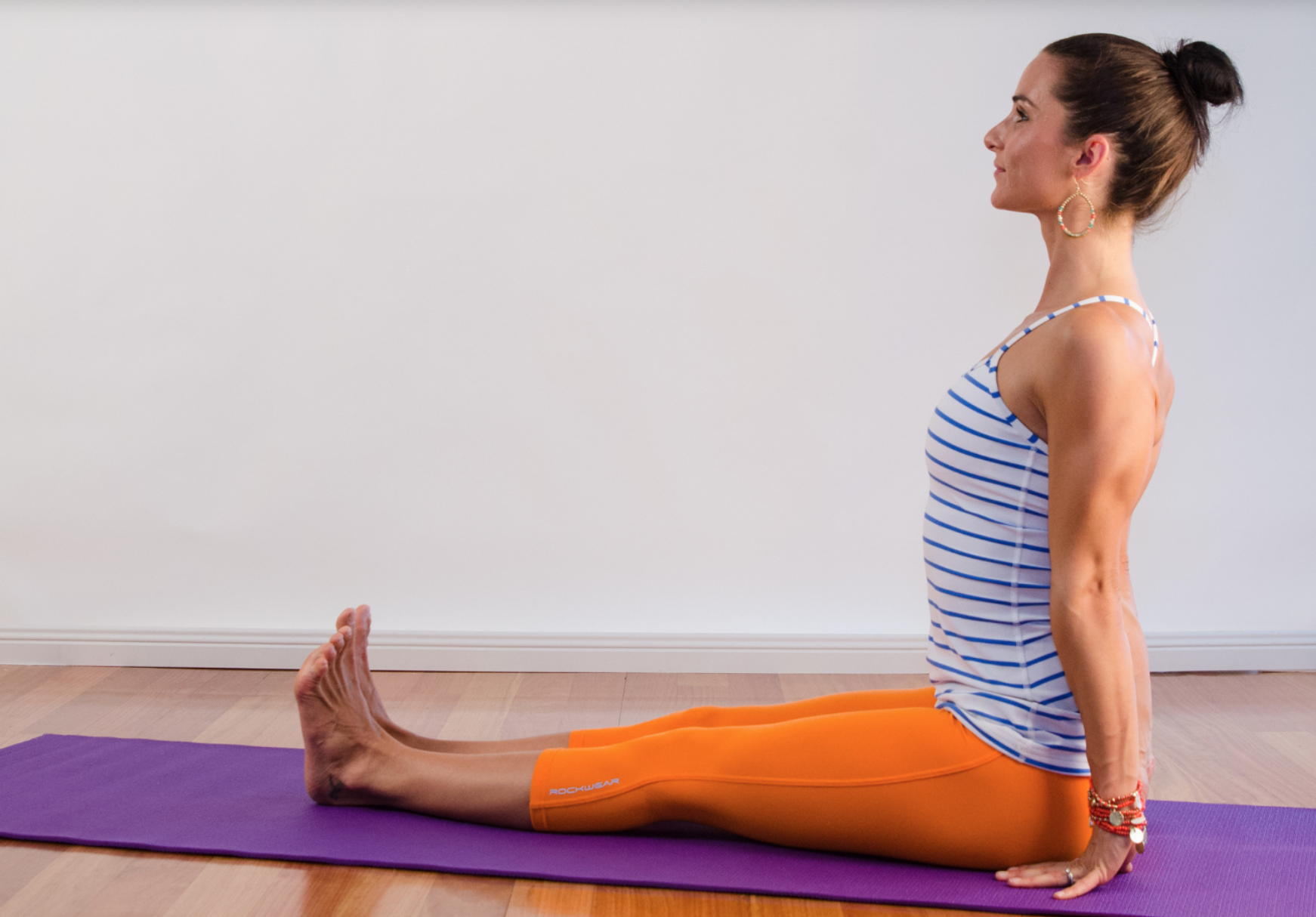
Whether you choose the classic forward bend, “Staff Pose”, with both legs extended forward or a straddling forward bend with legs opened wide, we are now being encouraged to bend forward in a “hip hinging” style, bending from the hip joints, rather than rounding forward from the lumbar spine. No matter which forward bend you choose, this hinging movement keeps the spine long and straight. There is a reason for this.

(see below for "Staff Pose" example)

Screen_Shot_2025-07-02_at_5

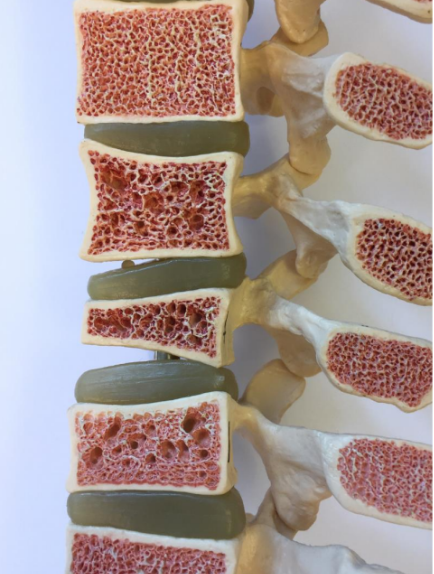
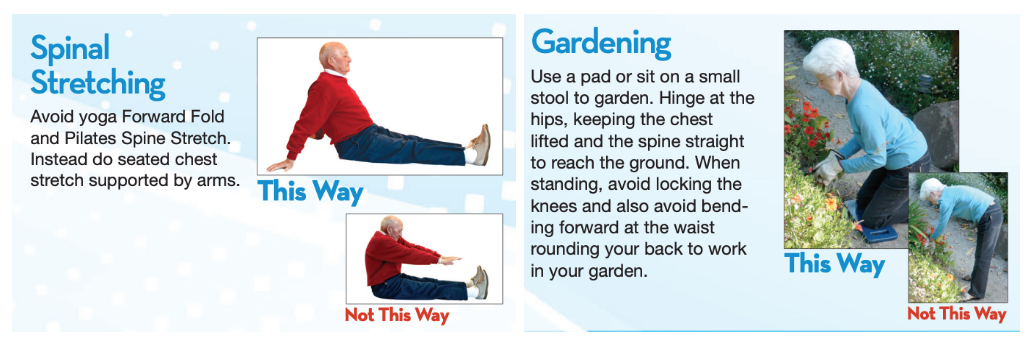
When the spine is rounded in spinal flexion, it compresses the anterior spinal segments creating the possibility of fractures. This is new and important information for those of us who do Yoga and also, those of us who teach Yoga and can pass on this information to the people in our classes.

(see below for imagery of compressed spine)

Screen_Shot_2025-06-19_at_3


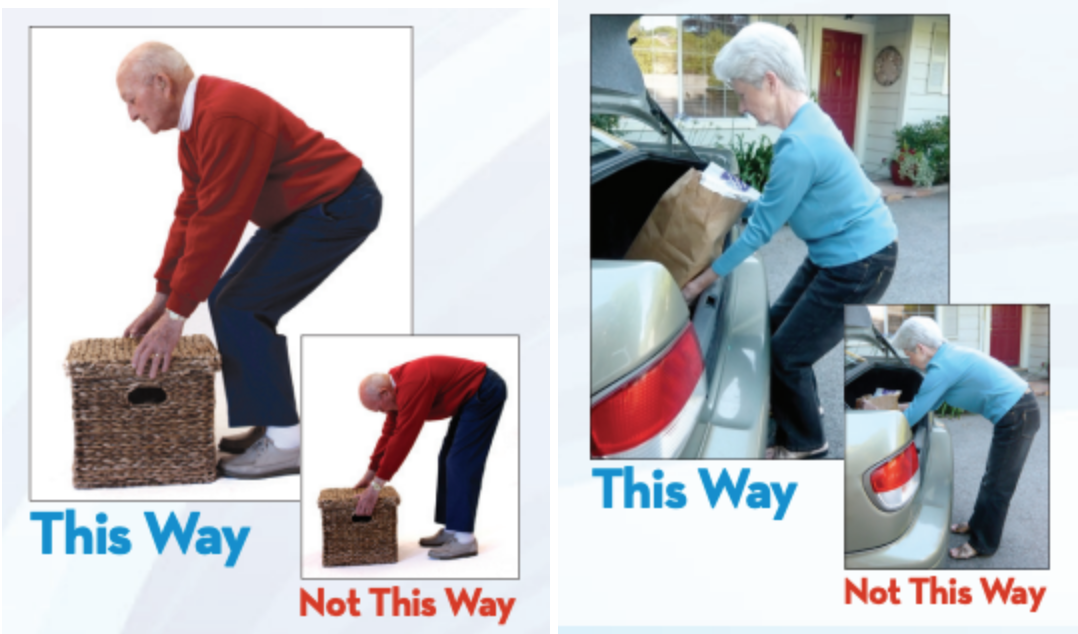
The frequent and consistent movements that all humans do throughout the day and night are called, Activities of Daily Living (ADL) and it is important that even these everyday movements change to help us avoid the possibility of harm.

(see below for examples of Activities of Daily Living)

Screen_Shot_2025-07-02_at_5

Why are things changing in the way we practice certain Yoga poses, whose movements also follow us into the ordinary movements of everyday life. With the increased interest in bone health and the increase of fractures, research shows the need to change how we are doing certain movements. Whether in a Yoga class, or working in the garden, focusing on using good posture to encourage length and balance will decrease the most common fractures. 

(see below for Activities of Daily Living)

Screen_Shot_2025-07-07_at_2

With this knowledge, how do we change the movements that can create fractures in the more vulnerable areas? When we bend forward in our Yoga postures and do similar forward bending movements in activities of daily life, we often create “rounding” of the spine; this type of posture weakens certain spinal segments in the front of the thoracic spine, creating spinal compression and fractures over time. Sometimes, after hours of sitting, people are not aware that they have created fractures until they are seen on an X-ray or scan. By practicing the opposite motions throughout the day in the form of spinal extensions (back bends), we can avoid injuries. Learning to bend forward from the hips in movements called “hip hinges”, we can keep the spine long and straight without creating spinal compression.

There is also a question about whether spinal rotations are safe. Do they create pressure in the segments that are rotating? We will know more as time goes forward.


Don't worry! There are changes you can make immediately to significantly improve your Posture and Bone Health.


What to do:

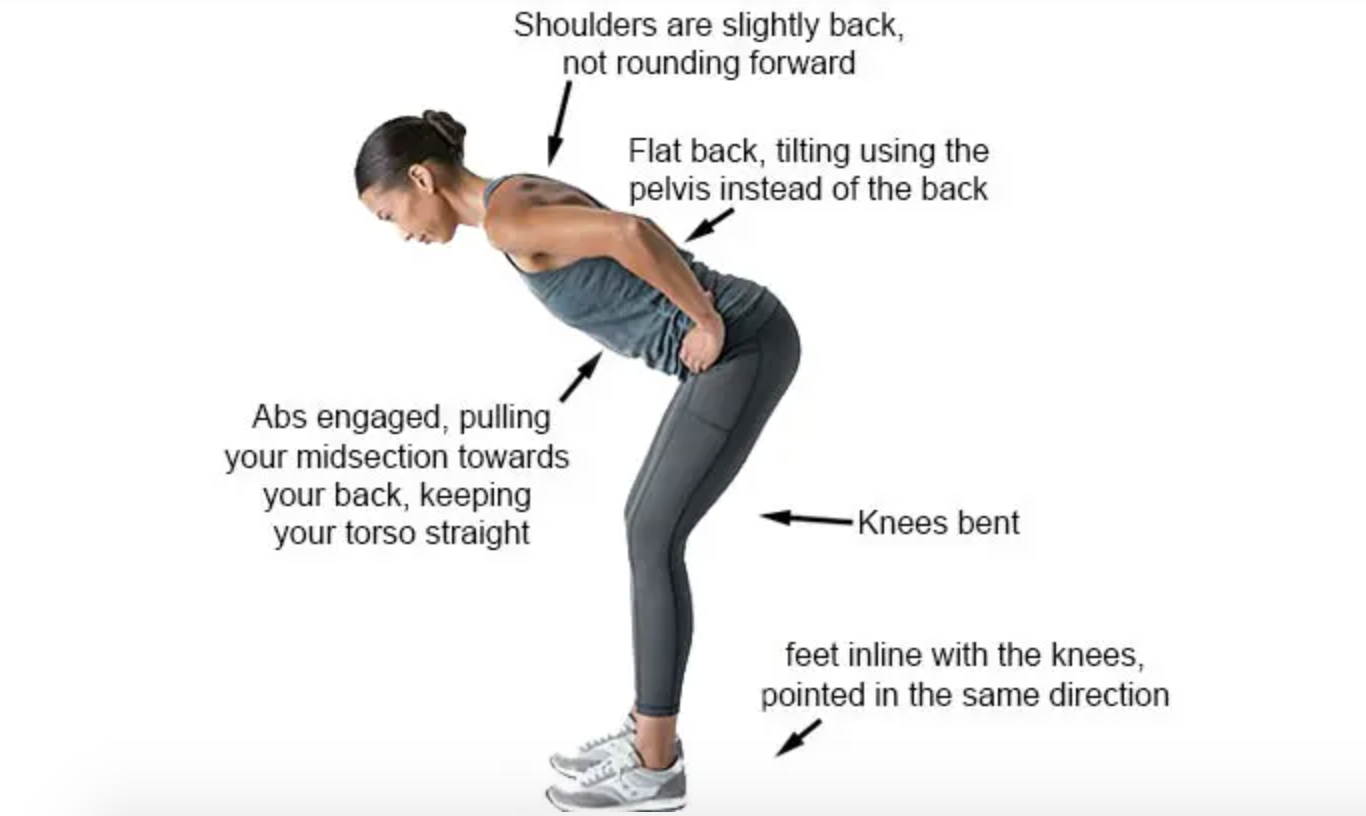
1. Hip Hinging (instead of "rounding" the spine)

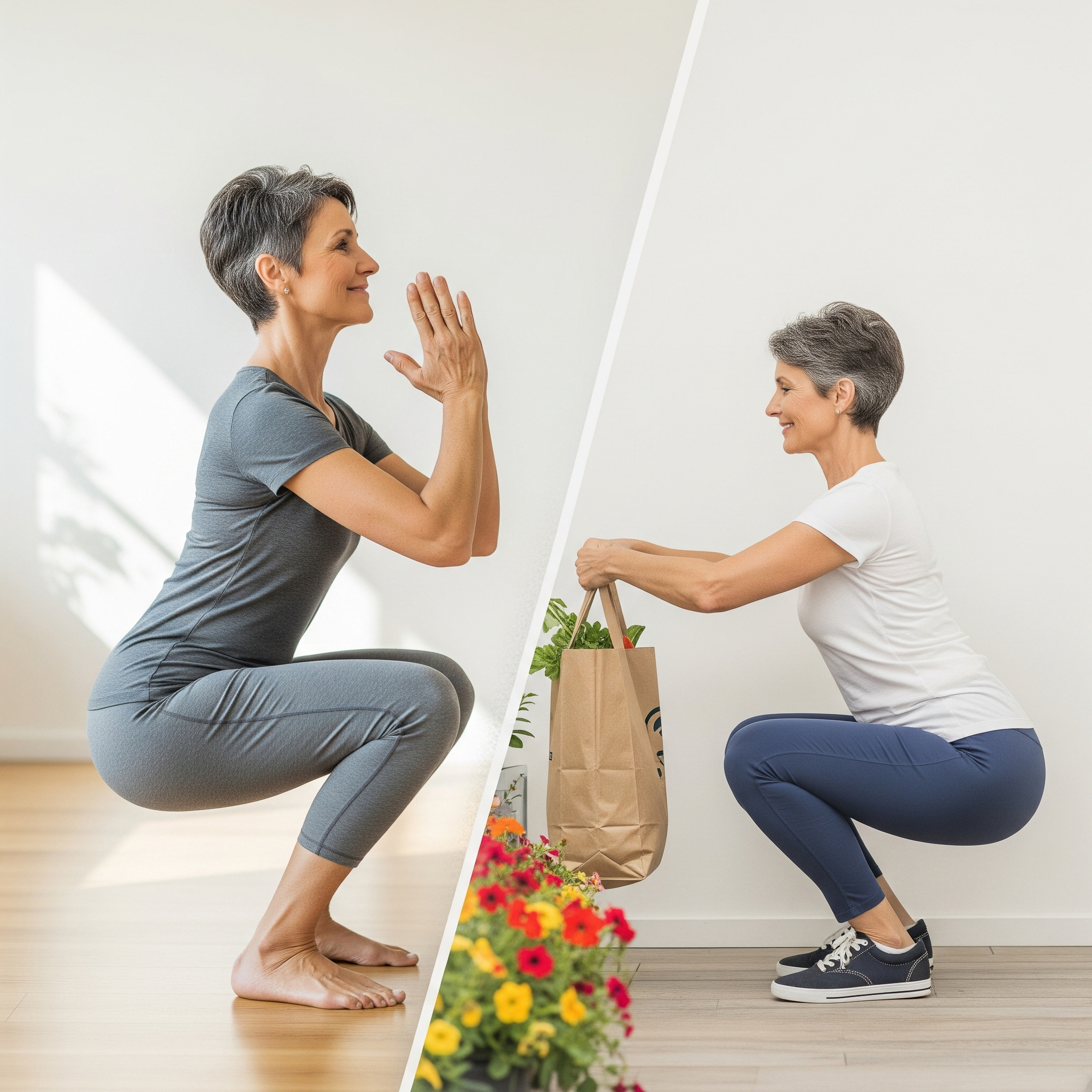
2. Include "Squats" in Yoga and Everyday Life

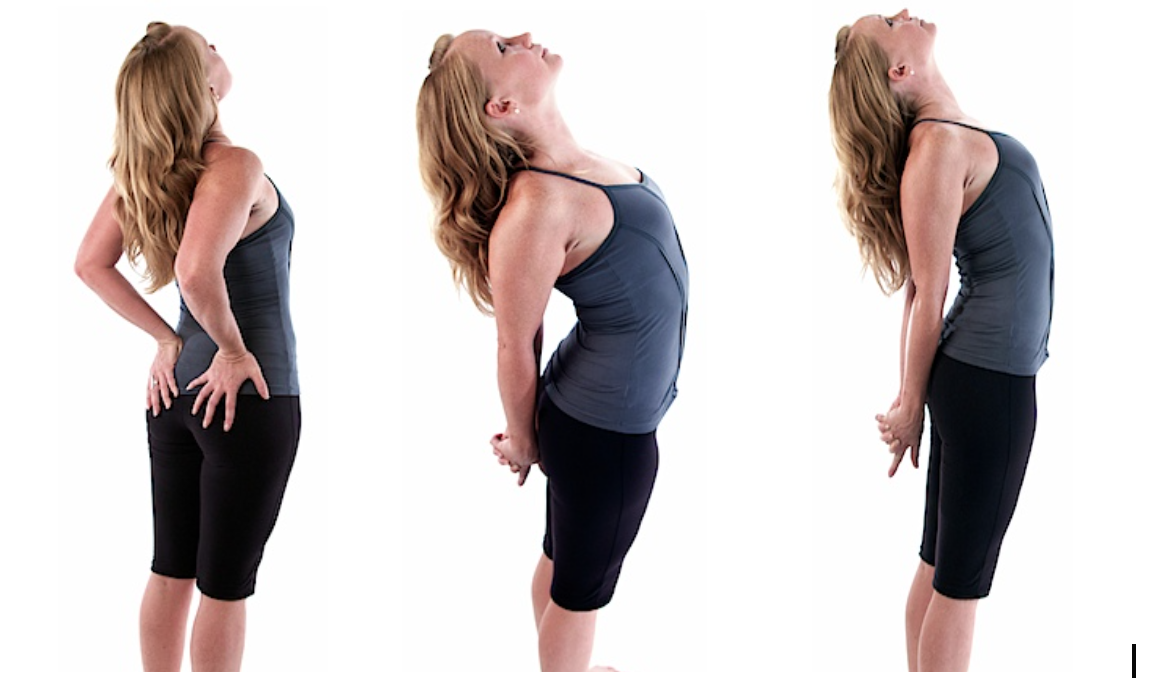
3. Incorporate Frequent "Back Bends" into each day

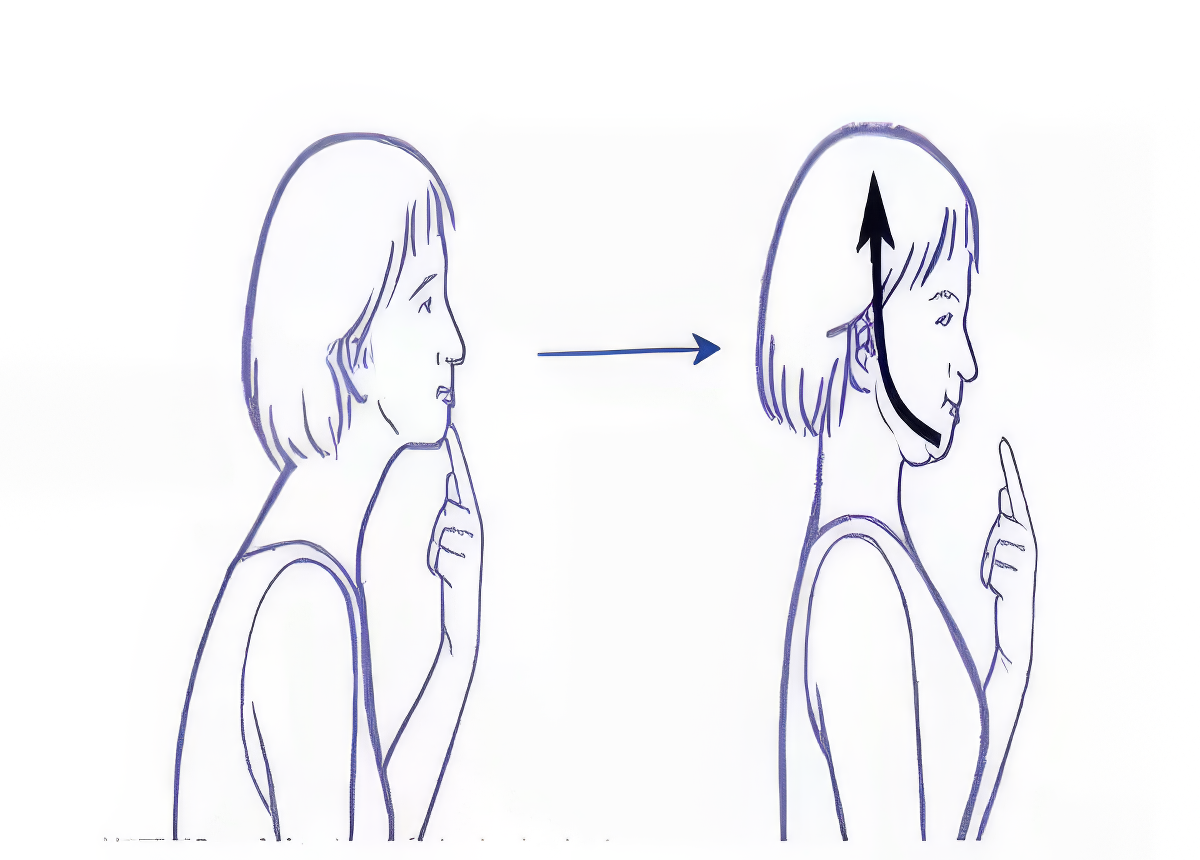
4. Incorporate "Chin Retractions" daily, especially when using screens


(Details with Images below)


1. Learn “Hip Hinging” when forward bending. Incorporate this into exercise and daily life to avoid rounding the spine.

Screen_Shot_2025-07-07_at_2


2. To strengthen hips and legs, learn to "Squat" in everyday life.

Newsletter_Photos-7
Newsletter_Photos-7


3. Learn back extension (Back Bending) and do frequently throughout the day:

Screen_Shot_2025-07-07_at_2


4. Learn and do chin retractions throughout the day, especially when gazing at screens for several hours:

Screen_Shot_2025-06-19_at_3


IMG_3699
IMG_3699

Thank you for subscribing to my newsletter!

I would genuinely love to hear from you! 

(Please email me at risapottersdc@gmail.com, and I will do my best to respond to every email in a timely manner!)

 ~~~ Was this helpful? Any specific takeaways?~~~

 ~~~~~ Do you have any follow up questions?~~~~~

 ~~~ Would you like to learn more about working with a health coach?~~~

(see below or contact me directly for more information on health coaching!)


What is Health Coaching?

When I first learned about Functional Medicine and Health Coaching, it completely resonated with my heart and I knew I was in the right place. Functional Medicine health coaches help people create healthy, balanced lives at their own pace by recreating lifestyle habits.  This is individualized care that is purely client centered, positive and compassionate in every way.

Unlike standard medical care, whose focus is on Acute Care, health coaches spend time with people, supporting them through the things that they choose and are important to them.  When treating chronic illnesses, like Type 2 Diabetes, Obesity and Autoimmune conditions, it takes Health Coaches who can spare the time to work with individualized Lifestyle conditions, like Nutrition, Movement, Sleep, Stress and Relationships.


For additional content, please follow me on Social Media

You received this email because you signed up for updates from The Smart of Living. Click here to unsubscribe if you do not want to receive emails from us.

The Smart of Living. Copyright 2025, all rights reserved.

Sent via

SendPulse