Avoid the Investing Trap: How to Stop Buying High and Selling Low + the Art of Calligraphy

Newsletter Archive

THE WEALTH PLAN

LETTER TWENTY

Hello Friend,

Welcome to the 20th edition of the Wealth Plan—a newsletter designed to empower and elevate your financial journey! The main point I would like to lave you with this one is to double think before buying a "single stock" when it is at all time high and all of your friends talk about it.

Let's now dive in,

FINANCIAL LITERACY

Investing for Our Kids: Four Key Options

  1. Custodial Roth IRA

  2. 529 Plan

  3. Custodial Account (UTMA/UGMA)

  4. Individual Brokerage Account

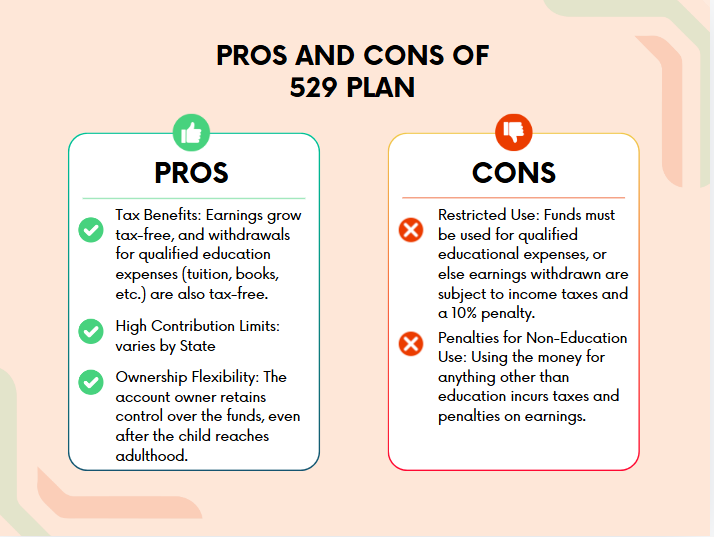
As promised, I’m diving into the pros and cons of various investment accounts for your kids. Today, we’re highlighting the 529 plan. Check out the graphic below for a quick breakdown of its benefits and drawbacks. Stay tuned for more insights on other account options in future updates!

If you live outside the U.S. and would like insights on investment options specific to your country, feel free to email me, and I’ll be happy to cover it in a future newsletter!

2024-10-26_21_10_03-Peach_Red_and_Green_Simple_Illustrative_Pros_and_Cons_of_Social_Media_Usage_Grap_c3fc22d2

ADVANCED FINANCIAL PLANNING 

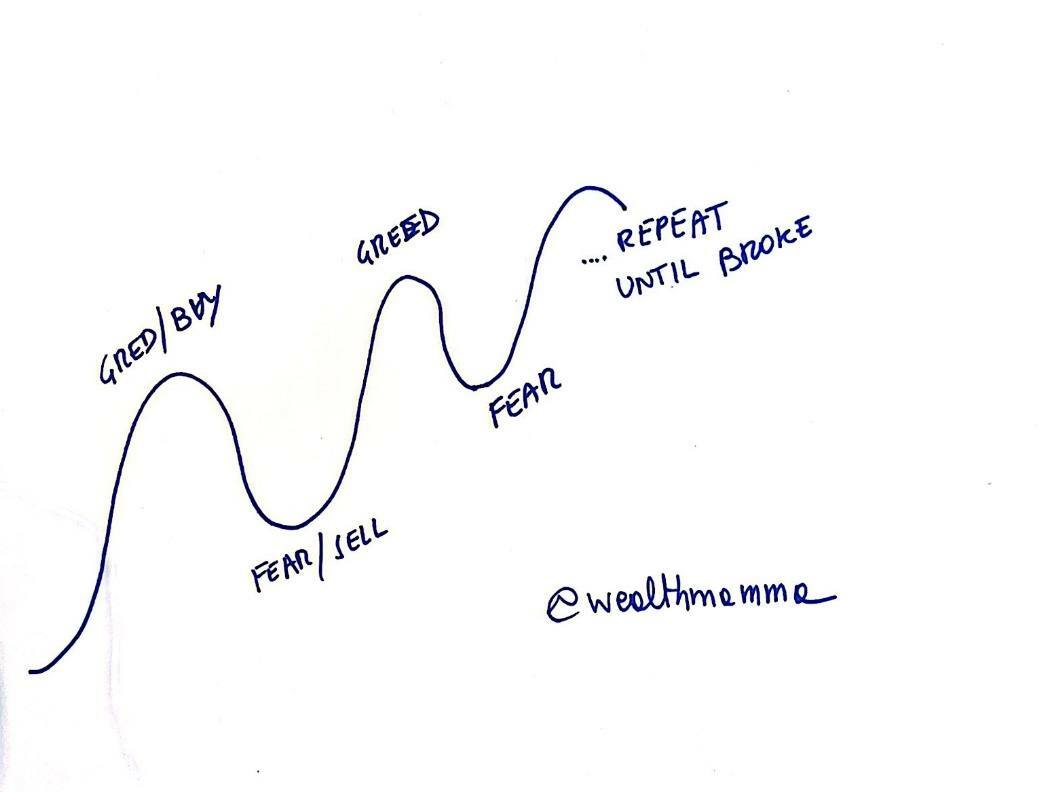
Let’s talk about one of the biggest traps we tend to fall into with our money: buying high when excitement is high and selling low when fear takes over.

This is especially true when it comes to single stocks.

When the market’s hot, we’re eager to buy in, convinced we can’t lose. But when it’s down, we’re just as quick to pull out, cutting our losses. And we end up repeating this cycle over and over—often to our detriment. With single stocks, where volatility can be even higher, this behavior can hurt us even more.

Now, imagine doing this in any other situation. Picture walking into an Audi dealership and saying, “I need a new A6.” The salesperson responds, “Great timing! We just marked them up 30%.” And you say, “Perfect! I’ll take three!”

It sounds absurd, but that’s exactly what we do with our investments.

Here’s why: We’re naturally inclined to move towards what feels safe and enjoyable and steer clear of things that might cause us pain. This instinct has served us well for survival, but in investing, it leads us to chase trends and follow the crowd—often in the wrong direction.

When everyone’s buying, it’s tough to stay on the sidelines; it feels like we’re missing out or even putting ourselves in financial danger if we don’t join in.

But here’s the truth: You don’t need to be a genius or Warren Buffett to recognize that this kind of emotional investing hurts us in the long run. By staying steady, practicing dollar-cost averaging, and putting in a set amount regularly regardless of the market's highs and lows, you’ll be in a much better position to ride out the swings.

With this approach, you’ll find that avoiding the hype and staying consistent can actually pay off in the long term.

photo_2024-10-27_12-34-29

BEYOND FINANCE

Have you ever tried the art of calligraphy?

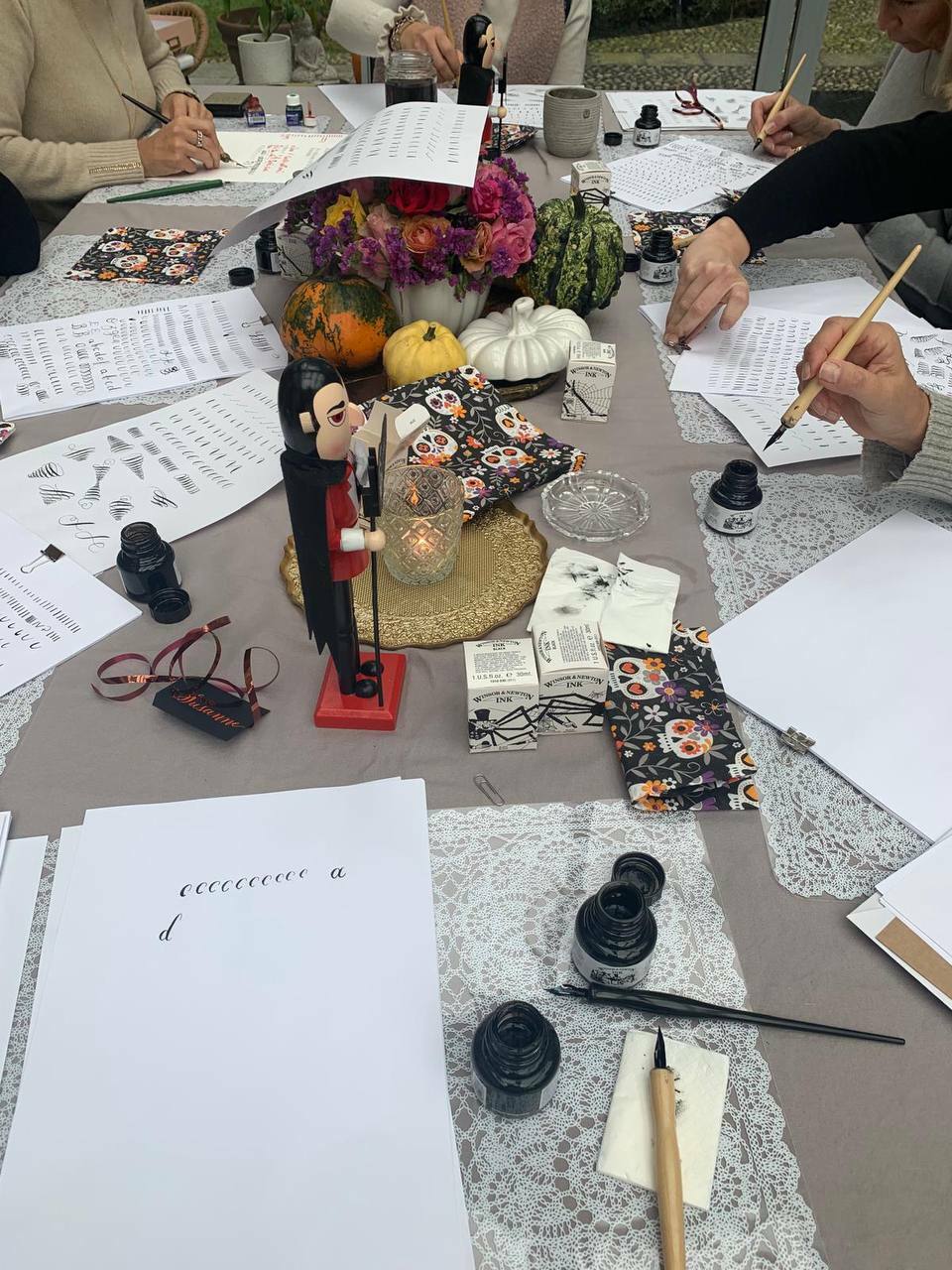
This past week, I ventured out of my comfort zone in the best way possible by joining a calligraphy class. As someone whose usual focus is on math, statistics, and finance, picking up a pen for calligraphy was certainly a departure, but it was incredibly fulfilling. I want to share this experience because I believe it could be a rewarding discovery for some of you too.

Though I’ve tried yoga and am slowly working my way into meditation, I’ve struggled to make either a habit. But with calligraphy, I felt an immediate connection. It brought the same sense of calm and focus, yet was far more engaging for me. Concentrating on each beginner stroke, I found my mind clear of distractions, re-energized for days afterward. Calligraphy isn’t just about creating beautiful shapes on a page; it’s about embracing the process itself and the peaceful focus it brings. I look forward to this journey, not just to improve but to savor every meditative moment along the way.

Here are five simple reasons why calligraphy can be a calming practice to try:

  • It’s creative: Calligraphy gives your mind something peaceful to focus on. The smooth, repeated strokes can reduce stress and help you feel calmer.

  • It’s an escape: Calligraphy lets you take a break from daily life. There’s nothing you need to do except create, making it an easy way to relax.

  • It helps you slow down: Calligraphy encourages you to move at a slower pace and take deeper breaths. Focusing on each stroke can feel almost like meditation.

  • It feels rewarding: There’s real satisfaction in watching your progress. Seeing each letter take shape gives you a sense of accomplishment.

  • It can become a relaxing habit: With regular practice, calligraphy can become a comforting routine that brings a sense of calm over time.

    If you give it a try, you may be surprised by just how mindful—and enjoyable—the practice of calligraphy can be.

photo_2024-10-26_09-10-07

Quotes of the Week

“Wealth is the ability to fully experience life.”— Henry David Thoreau


DISCLAIMER:

The information provided in this newsletter is for educational and informational purposes only and does not constitute financial advice. It is important to consult with a licensed financial professional or advisor before making any investment or financial decisions. Every individual’s financial situation is unique, and any strategies or tips shared here may not be suitable for your specific circumstances. Always conduct your own research and consider seeking professional guidance.

2024-09-15_10_33_26-Logo_Social_Media_Manager_Iniziali_Rosa_-_Logo_-_Canva

Past Newsletters

Letter One; Letter Two; Letter Three; Letter Four; Letter Five; Letter Six

Letter Seven; Letter Eight; Letter Nine; Letter Ten, Letter Eleven, Letter Twelve, Letter Thirteen

Letter Fourteen  Letter Fifteen  Letter Sixteen Letter Seventeen Letter Eighteen  

© Copyright, 2024,Elisabetta Basilico,@wealthmamma

You received this email as a customer or subscriber of @wealthmamma Click here to leave mailing list

Sent via

SendPulse