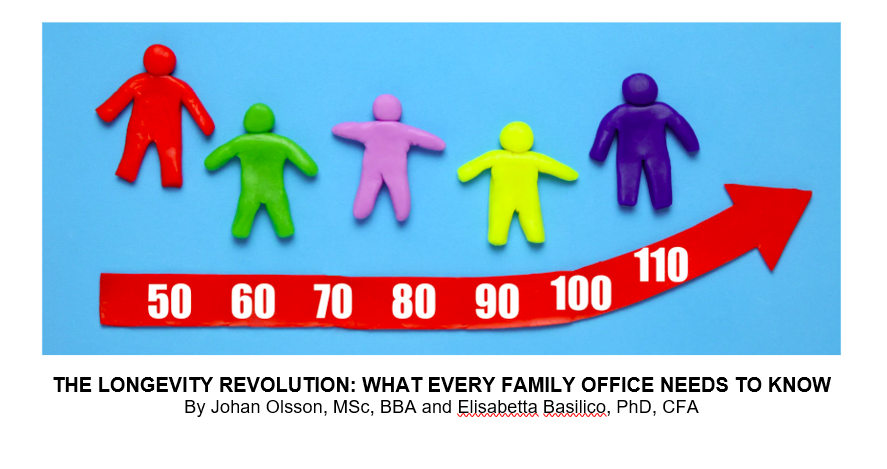
A premise: What is Aging? Aging isn’t just about getting older—it’s about how our bodies slowly wear down over time. In fact, once considered an inevitable process of decline, is now increasingly understood as a biological program—one that may be measured, modulated, and potentially slowed or reversed. Scientists define aging not merely as the passage of time, but as cellular damage piling up—oxidative stress, DNA glitches,telomere reductions and protein clutter (Harman, 1956). Thanks to breakthroughs in genomics, epigenetics, and systems biology, we can now quantify aging using special tools that look at things like our DNA, our immune system, and even how our energy-making parts (called mitochondria) are working. Aging is no longer just something that “happens”—we can study it, track it, and begin to do something about it. Historically, life was short: in 1800, global expectancy was 31 years, battered by disease and hardship (Roser, 2019, Our World in Data). Today, it’s 79 in the U.S., with elites eyeing 100 (CDC, 2023). Additionally, according to the World Health Organisation, the number of persons aged 80 years or older is expected to triple between 2020 and 2050 to reach 426 million. Longevity 101: Understanding the Foundations The concept of healthspan: the number of years one lives in good health, free from chronic diseases or significant disability has taken center stage in aging research and health innovation. While lifespan may have increased dramatically, healthspan has not kept pace. A 2022 Lancet study shows life expectancy rose 6.2 years since 1990, but chronic conditions like dementia still drag down quality (GBD 2021). Many individuals now spend the last 10 to 20 years of life battling degenerative diseases and reduced quality of life. Longevity isn’t just about more years. It’s increasingly about better years. This distinction has become central to modern longevity thinking,particularly for those stewarding significant wealth across generations. The 21st-century conversation has moved from lifespan to healthspan, from survival to a more holistic focus on well-being, functionality, and purpose across the arc of an extended life. For high net worth individuals, this divergence raises critical questions: How can one live longer and better? How can wealth be used to enhance not just longevity, but vitality? The Science Behind Longevity Aging is influenced by two key factors: our genes and the way we live. Certain genes, like APOE4, or the length of structures called telomeres at the ends of our chromosomes, can affect how quickly our cells age. Studies of identical twins suggest that genetics may explain about 20% to 30% of how long we live (Herskind et al., 1996). This is great news and it was confirmed by a group of researchers, including Dr. Topol, a prominent molecular scientist and author of the newly published book "Super Agers-An Evidence-Based Approach to Longevity”. The researchers studied a remarkable group of older adults who remained healthy well into their 80s and beyond, with no major diseases. They called this group the “Wellderly.” At first, the scientists believed that genetics might explain their unusual health. But after sequencing the genomes of over 1,400 individuals, they found no significant genetic differences compared to the general population. What stood out instead was that these “Wellderly” individuals were more physically active, socially engaged, and typically more educated than their peers. The takeaway is powerful: genes may set the stage, but it’s our daily choices and environment that drive the performance. As Dr. Topol noted, this insight is “liberating”—it suggests that most of us have the power to age better and delay disease, regardless of our genetic blueprint. Hence lifestyle plays a much bigger role. A major Harvard study (Li et al., 2023) found that five simple habits—eating well, exercising regularly, avoiding smoking, drinking alcohol in moderation, and maintaining a healthy weight can add up to 14 years of life for women and 12 for men. To this list, Dr Topol adds some specifics (backed by science) like: resistance and strength training (Shailendra et al., 2022), going to sleep at the same hour to increase the time of deep sleep (Song et al., 2020; Cribb et al., 2023; Cho et al., 2025), being strict about eliminating extra processed food, protein intake of 0.8 gr per Kilo (below 60 years of age) and 1.2 gr.per kilo (after 60 years of age), improve and sustain your mental health (Bobo et al., 2022) which can be done by simply spending at least 30 minutes per week in nature (Shanahan et al., 2016). Another great effort in mapping longevity habits that we can easily mimic in our everyday life is the “Blue Zones,” by Dan Buettner which you can read about in a book or watch the Netflix documentary series. The idea of “Blue Zones” originated from the work of researchers Gianni Pes and Michel Poulain, who published findings in the Journal of Experimental Gerontology after discovering an unusually high number of male centenarians in Sardinia, Italy. To highlight the area on their map, they drew blue circles around the villages where longevity was most concentrated, hence the name "blue zone" was born. Building on their research, author Dan Buettner, along with teams of scientists (often including Pes and Poulain), went on to identify similar longevity hotspots in other parts of the world. These included the Barbagia region (Sardinia, Italy), Okinawa (Japan), Nicoya (Costa Rica), Ikaria (Greece), and Loma Linda (California). In each of these Blue Zones, people not only live longer than average, but do so with remarkably low rates of chronic disease, offering real-world models of healthy aging that go beyond genetics. And there’s more to the story than just habits. The exposome, a term that scientists use for everything we are exposed to in our daily lives, also has a powerful impact. This includes the air we breathe, the food we eat, the water we drink, how much we sleep or move, and even how stressed we feel. While we can't control the genes we were born with, we can control many parts of our environment and behavior. And those choices can have a major impact on how well—and how long—we live. Recent research shows that these exposures influence two key processes tied to aging: autophagy and inflammaging. But making sense of these countless exposures is incredibly complex. Tracking how thousands of daily inputs interact with our biology over decades generates a massive amount of data, far beyond what traditional tools can handle efficiently. That’s where emerging technologies like quantum computing could become game-changers. The exposome shows us that aging is not just about time, it’s about exposure and choice. When we understand how daily inputs shape our biology, we gain the power to adjust our environment for better outcomes. This gives rise to a powerful resilience framework, built on three pillars: - Autophagy: Stimulated by fasting-mimicking diets, NAD+ boosters, and exercise, this self-cleaning process helps renew cells.
- Inflammaging: Targeted by emerging therapies like senolytics and anti-inflammatory compounds such as fisetin, aiming to reduce chronic damage.
- Exposomes: Tracked via wearables and environmental data, revealing how cleaner air, better sleep, and anti-inflammatory diets boost long-term health.
Together, these insights are turning longevity from a passive hope into an active strategy—one that families and investors can plan for, support, and benefit from. Why Longevity Matters for Family Offices We’re entering an era where aging is no longer seen as decline, but as a frontier of investment, innovation, and opportunity. We are not saying that modern healthcare is broken but it’s just solving the wrong problem. The future of longevity isn’t about fixing today’s system; it’s about reframing it entirely. By 2030, healthcare could look unrecognizable. Additionally, the global shift toward longer lives is giving rise to what economists call the longevity economy: a massive and fast-growing sector driven by the needs, desires, and purchasing power of people over 50. For family offices managing long-term wealth and legacy planning, the rise of the longevity economy is not just a trend, it’s a strategic imperative. Here’s why: - Longevity risk is now a financial risk
People are living longer than ever, which means portfolios, estate plans, and trusts must adapt to multi-decade lifespans and late-life care costs. For high-net-worth individuals and family offices, this poses a significant challenge: the risk that assets may need to last 30 to 40 years after retirement is no longer hypothetical: it's becoming the norm. Additionally, women, who live longer on average, face additional risk of outliving both partners and assets, making gender-specific planning essential. This is what the financial industry calls longevity risk: the risk of outliving one’s wealth. And it’s not just about basic income needs. According to the OECD’s 2021 “Pension Markets in Focus” report, and research from the Society of Actuaries, longevity risk is a major concern for retirement systems, insurers, and wealth managers alike. A study by the World Economic Forum (2019) warned of a “global retirement gap,” estimating that people in developed markets may outlive their savings by 8 to 20 years on average. Meanwhile, JP Morgan’s “Guide to Retirement” consistently includes longevity as a core pillar of portfolio construction, recommending dynamic strategies that can adapt over time.
- Multi-generational wealth planning must reflect new timelines
In the age of extended lifespans, it’s becoming increasingly common for three or even four generations to coexist simultaneously, often for decades. This demographic shift adds new layers of complexity to family wealth management. What was once a linear transfer of assets and authority from one generation to the next is now a multi-directional and multi-decade process. According to UBS’s Global Family Office Report 2023, over 68% of family offices now serve families with three or more generations actively involved in wealth decisions, and this figure is growing. Such longevity stretches the traditional timelines for inheritance, leadership succession, and family governance. Older generations are remaining active longer, both in business and in the family office, while younger generations are increasingly seeking earlier engagement and influence. This evolving dynamic requires governance structures that go beyond legal formalities. Modern family councils and investment committees must be designed to balance continuity with collaboration, offering seats at the table to next-gen leaders while respecting the wisdom of experience. Succession planning also becomes more nuanced. Research from the WEF’s “Longevity and Wealth” White Paper (2022) stresses that families are often unprepared for the "sandwich effect", where Gen X or Millennial wealth stewards are supporting both aging parents and younger children simultaneously. This tri-generational pressure can strain cash flow, time, and emotional resources, making early and adaptable succession planning not just prudent, but essential. Phased leadership transitions, mentorship models, and co-investment strategies are replacing rigid “handover” frameworks. Education, meanwhile, must become continuous and cross-generational. The Campden Wealth “Family Office Report 2023” highlights a growing trend: family offices are investing in intergenerational education platforms, not just for financial literacy, but also to cover governance, technology, impact investing, and now, health and longevity science. These programs help rising generations prepare for increasingly complex decision-making roles, while also giving older generations the tools to adapt to new technologies and expectations. - Private capital is driving the innovation
While aging-related health breakthroughs make headlines, many of the most transformative innovations in longevity science are taking place behind the scenes, funded not by public markets, but by private capital. This includes venture capital, private equity, and direct investments from family offices and mission-aligned investors who understand the long-term arc of this field. From biotech firms targeting age-related disease pathways to digital health startups focused on prevention, diagnostics, and biomarkers, private capital is fueling an ecosystem of disruption. According to the Longevity Industry Journal's 2024 Report, private investment in the longevity sector has surged past $40 billion globally, with over 1,200 companies now actively working in age-tech, longevity therapeutics, and healthspan extension. This creates a unique opportunity for family offices with patient capital and mission-driven mandates. As noted in the Campden Wealth Health & Wellness Investment Report (2023), 57% of family offices surveyed now allocate part of their portfolio to health innovation, citing longevity, wellness, and preventive care as key themes. For families aligned around legacy, well-being, and impact, these investments are more than financial—they're value-aligned bets on a healthier, more resilient future. Moreover, many of these ventures operate at the intersection of science, technology, and ethics, requiring not just capital, but stewardship. Family offices are uniquely positioned to bring more than money—they can offer governance expertise, long-term thinking, and intergenerational alignment to founders solving century-scale problems. Whether backing startups developing senolytic therapies, wearables for real-time aging biometrics, or AI-driven epigenetic clocks, private investors are helping shape what the future of aging looks like—and who gets access to it. However, as the sector matures, a comprehensive due diligence framework is becoming essential to informed investment. Longevity innovation does not operate in a vacuum; its success depends on how well it fits into a rapidly evolving healthcare ecosystem. Investors must map each opportunity across multiple dimensions—scientific readiness, regulatory viability, integration with existing care pathways, consumer behavior, and ethical considerations. Only by assessing the full landscape can investors distinguish between breakthrough potential and science with no system-level traction. The shift from late-stage intervention to early detection and prevention further reinforces this need for a holistic view. As health systems, insurers, and consumers move toward early detection, intervention, and optimization, the relevance of any given longevity innovation hinges on its alignment with future models of care. A standalone diagnostic, therapeutic, or platform must demonstrate not just efficacy, but utility within the next generation of value-based, digitally integrated health ecosystems. Investors, particularly those with long-term and values-aligned capital, must therefore ask not only what a company is building—but where society will be in 5 to 10 years, and how that innovation fits into a broader health and longevity value chain. This future-back perspective helps avoid short-termism, identifies underappreciated synergies, and ensures that capital is deployed where it can generate both meaningful impact and resilient financial returns. According to Longevity.Technology’s 2023 Market Map, some of the most active sub-sectors attracting early capital include: - Cellular reprogramming and regeneration
- Biomarker-based diagnostics and epigenetic testing
- Digital health platforms for aging-in-place and senior care
- Nutraceutical and supplement innovations
- AI platforms for drug discovery and healthspan prediction
- Values alignment: Healthspan-focused investments often intersect with ESG, impact investing, and values-based legacy building—especially appealing to next-gen wealth holders.
Longevity is here. The question is: Are you ready for it? To conclude we offer here our final thoughts and a checklist: 1. Consult with a Longevity Specialist or Health StrategistJust as families work with investment advisors, tax experts, and estate lawyers, consider engaging a longevity specialist. These professionals can offer personalized insights into healthspan optimization, preventive care planning, and longevity risk management, often supported by data from wearables, genomics, and diagnostics. 2. Review and Modernize Trust Structures and Estate PlansLonger lifespans mean that trust durations, distribution triggers, and succession plans may need updating. Ensure your legal structures can support multiple generations concurrently, allow for phased leadership transitions, and incorporate flexibility for extended lifespans. 3. Diversify Into Longevity and Health-Tech InvestmentsExplore direct investments or fund allocations in biotech, diagnostics, personalized medicine, and digital health platforms. These sectors are not only aligned with long-term growth trends, but also with many families’ values around well-being and societal impact. 4. Develop an Intergenerational Health & Education PlanCreate a family-wide approach to health education and digital wellness literacy. Encourage rising generations to understand both financial stewardship and personal health optimization—two pillars of long-term resilience. 5. Revisit Your Governance FrameworkUpdate your family constitution, charters, and governance models to reflect longer timelines, multi-generational roles, and evolving priorities such as longevity, ESG investing, and legacy planning through a health-conscious lens. Are our strategies built for a 100-year life? Now is the moment to assess your current structures, identify gaps, and explore opportunities that align with the age of longevity. By acting today, you can not only preserve capital—but amplify it across generations, health, and purpose. Longevity isn’t just a trend. It’s a transformation. |