Hello From VIACDear friends, colleagues and partners, It is our pleasure to share with you VIAC's latest SRHR news and updates from Cameroon. Settle down to have a good read. Thank You. |
|
|
|---|
|
Quote of the Week
"The Ethicality of a community-based intervention is key in its acceptability by the community, as an intervention, which is not culturally or ethnically appropriate, will tend to have less participation and engagement from the community members it was intended for. Ethically appropriate interventions are therefore more appreciated and easily sustained by community members" ~ Ruby Hornuvo, Adolphina Addo-Lartey, Deda Ogum Alangea, Phyllis Dako-Gyeke. Read the full article here: |
|
|
|---|
|
Sex Education
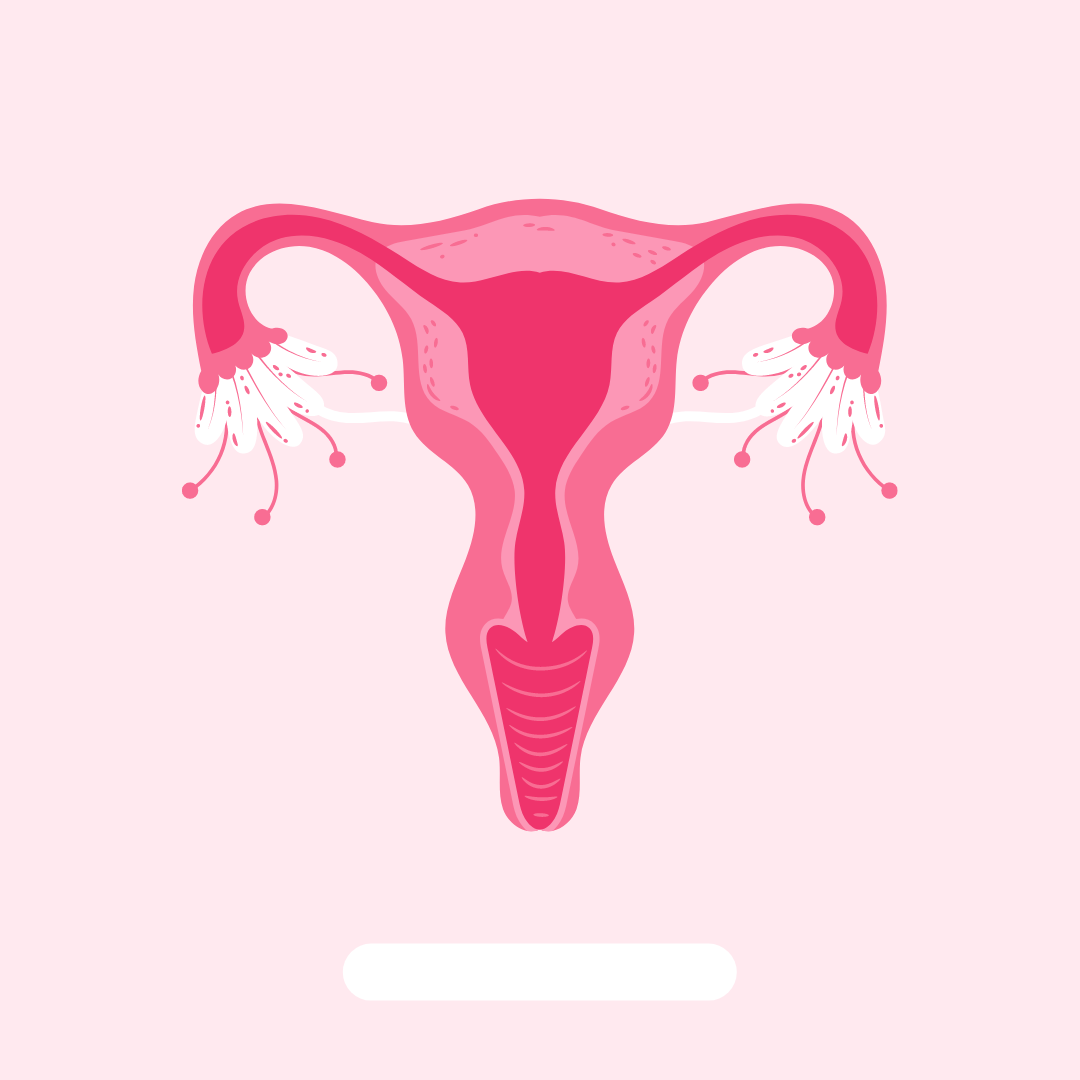
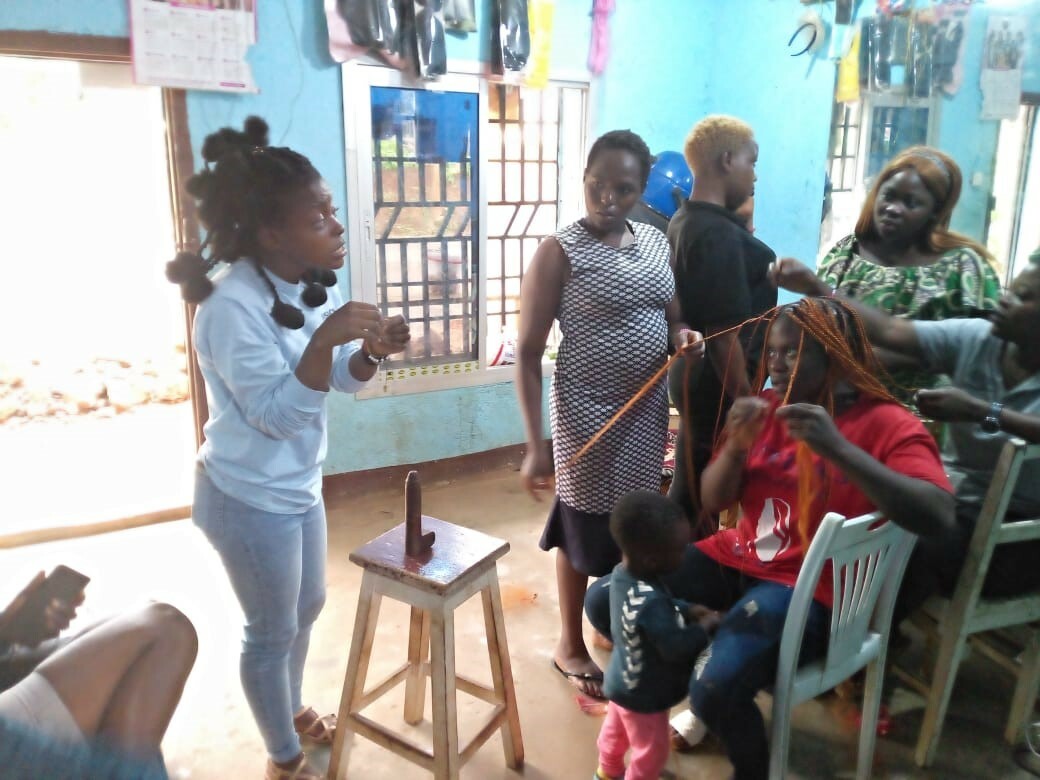
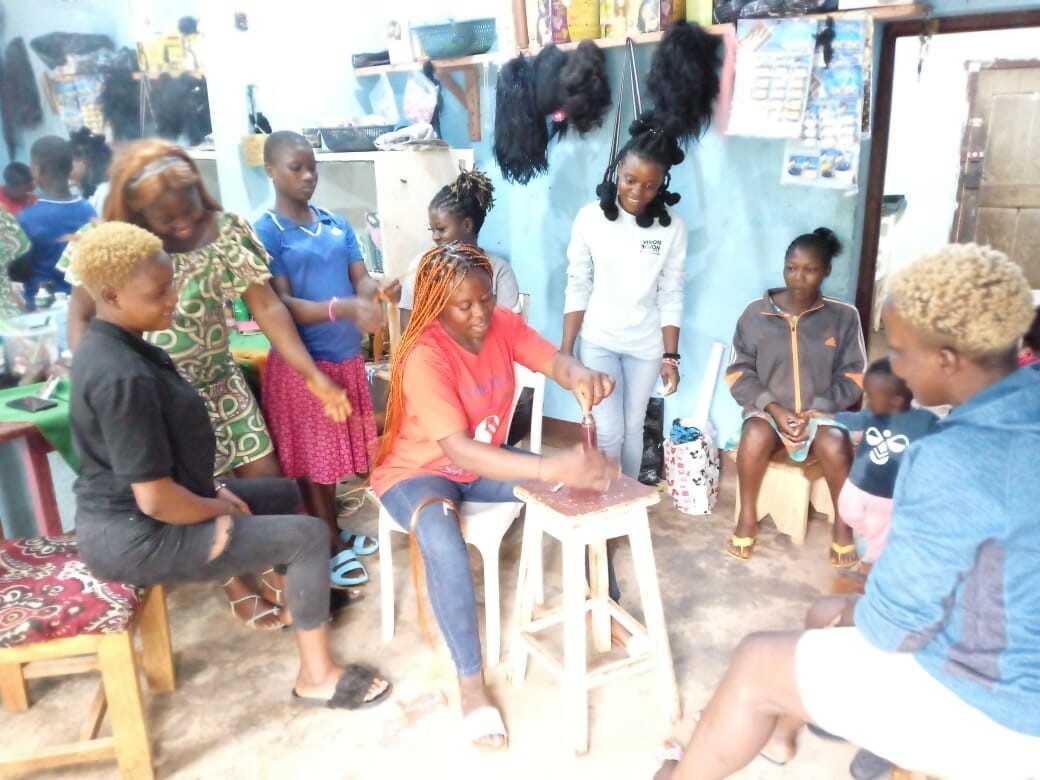
Knowing how to care for your vagina is a vital component of having a healthy and happy sex life for any woman. Sex workers, like all women, deserve adequate sexual health education and are sometimes hesitant to seek adequate education because sex work is banned in Cameroon. In the thought of this, Vision in Action Cameroon (VIAC) strives to educate sex workers on the importance of basic hygiene in order to promote their sexual and reproductive health. VIAC hosted a safe discussion with 10 sex workers on vaginal care, the correct and consistent use of female condom and how it can be used when menstruating, menstrual cleanliness, and hepatitis B. |
|
|
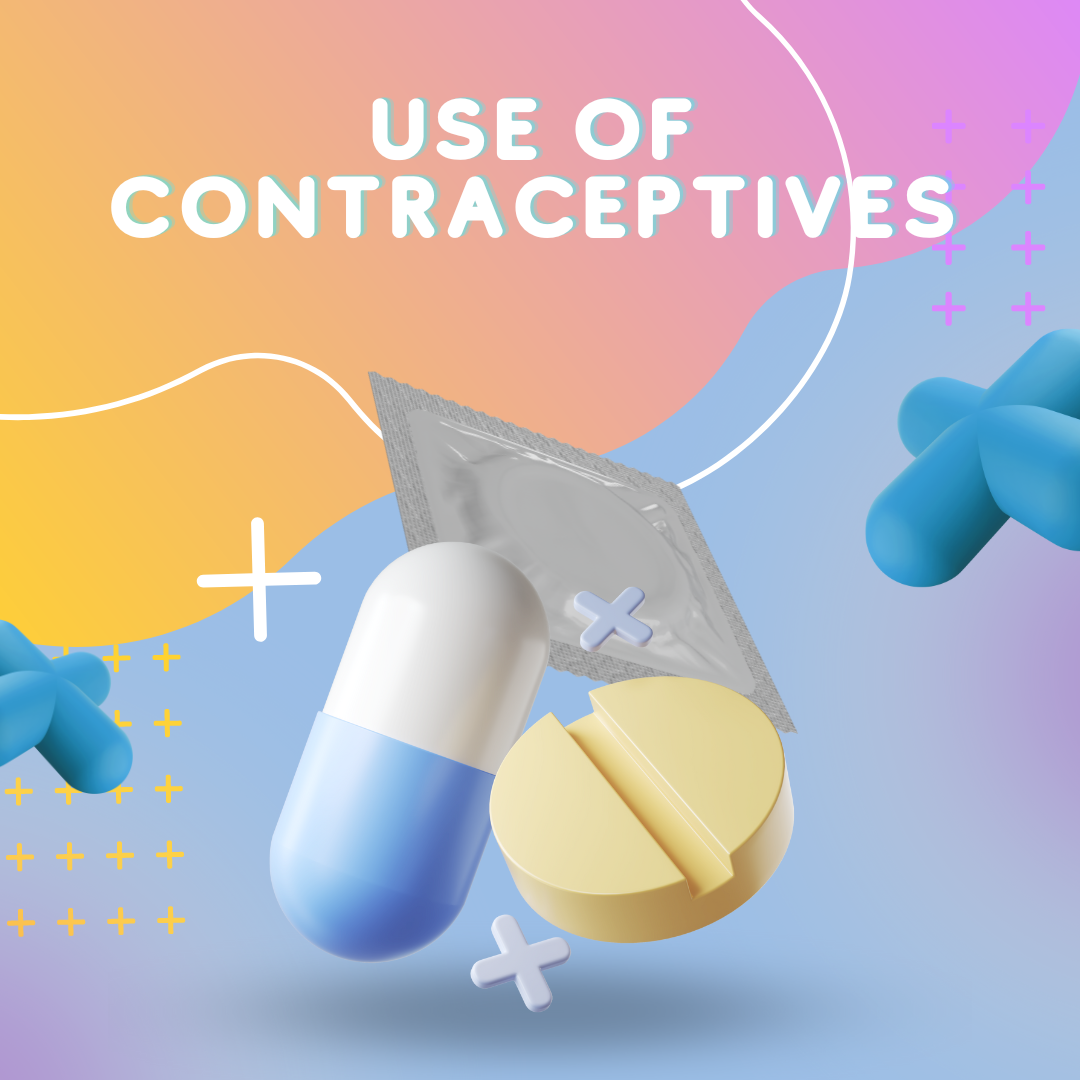
Along with poor vaginal care, sex workers are more likely to experience health issues such as a lack of access to contraception. A reliable form of contraception allows for physical contact without fear of pregnancy or sexually transmitted illnesses (STIs). As a result, VIAC cooperated to promote community sexual and reproductive health and to support sex workers in making informed sexual health decisions. Ten young women learnt about contraception through safe space dialogues and can now make informed decisions about contraception use. Preventive materials in the form of condoms, lubricants, and a hotline number where they could get sexual and reproductive health information were provided. |
|
|
|---|
|
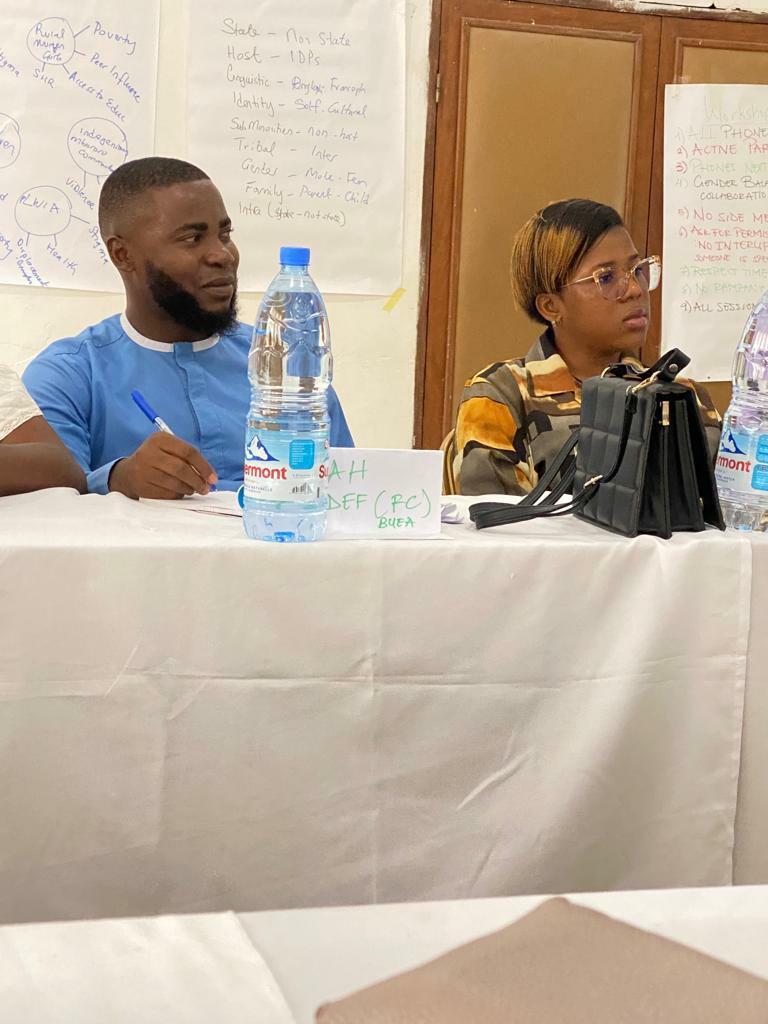
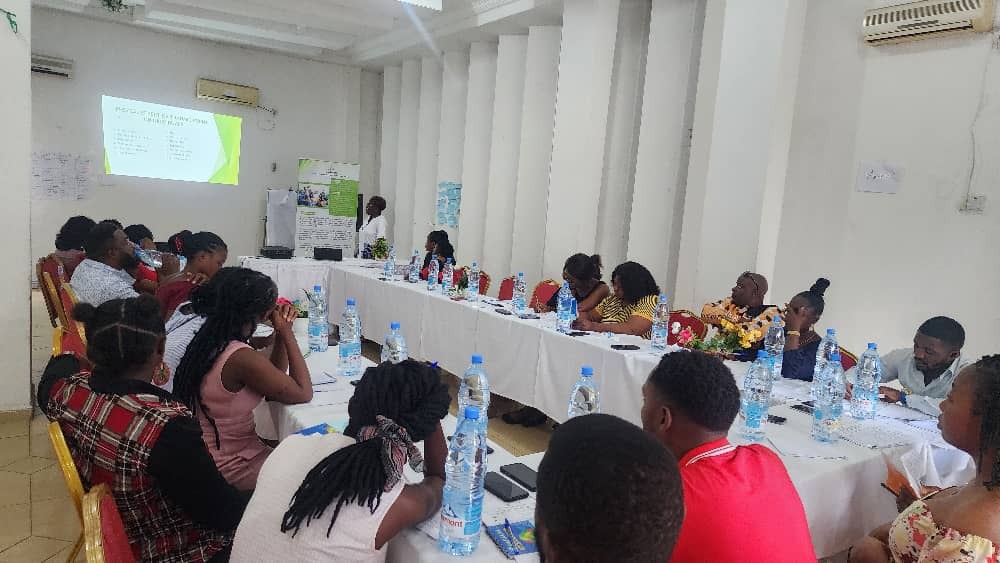
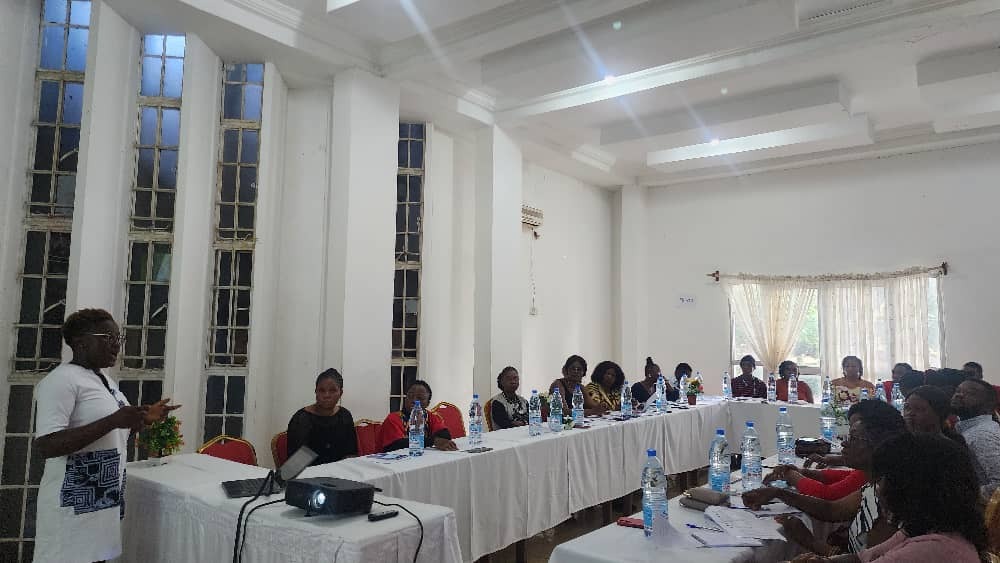
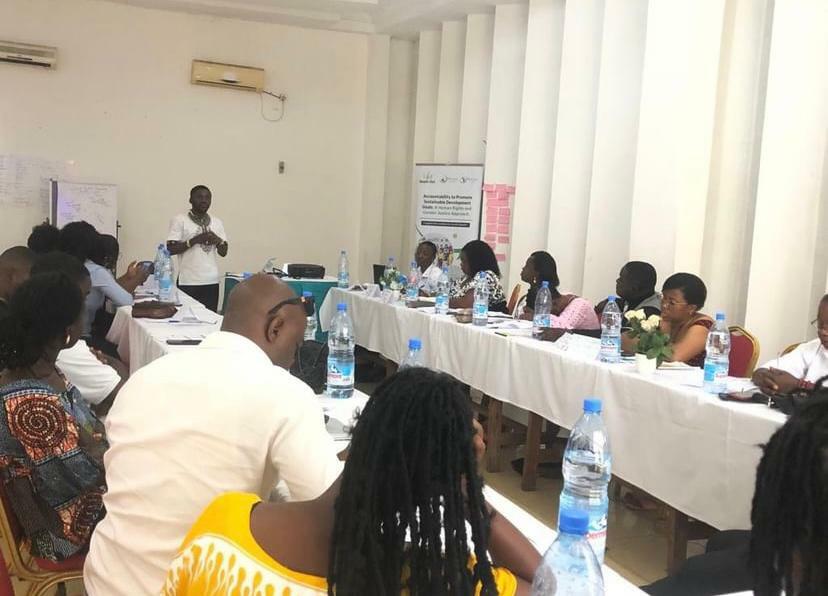
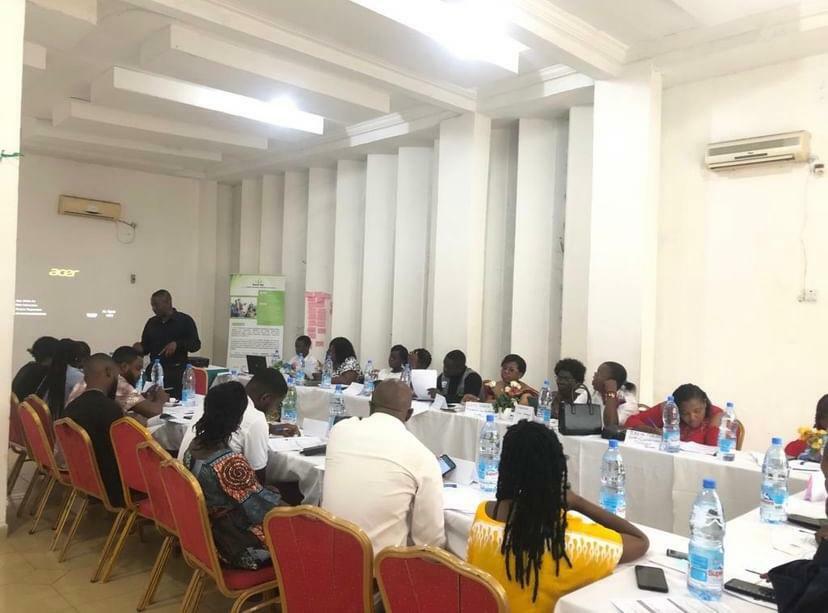
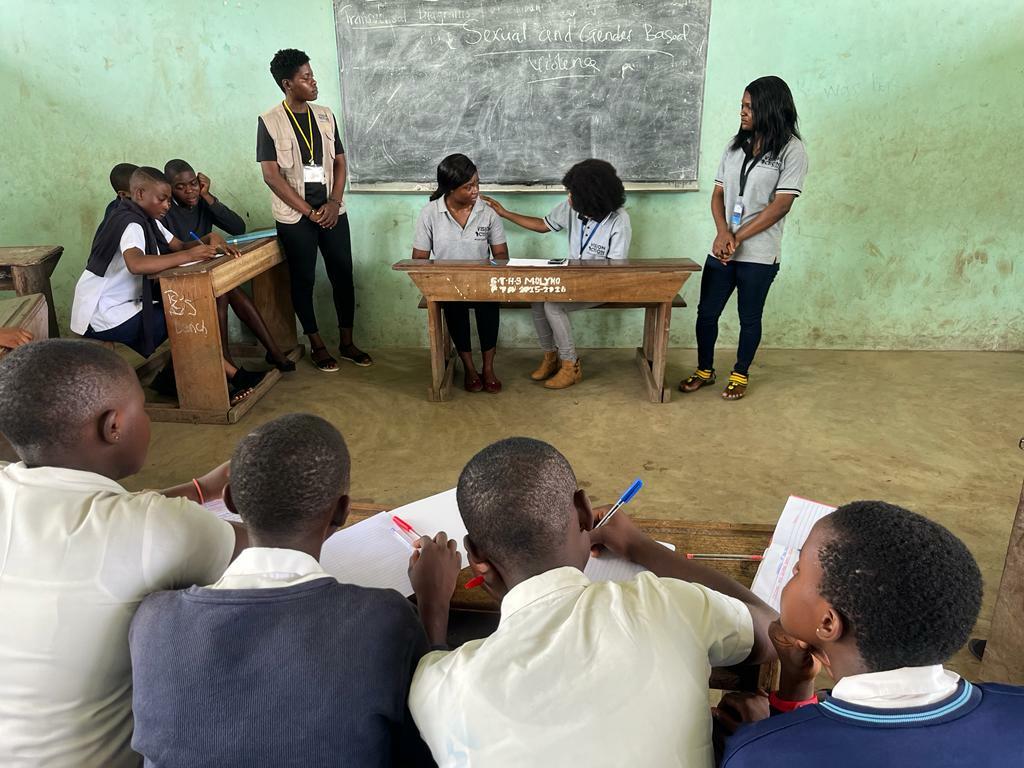
Capacity Building VIAC, as a downstream partner of the Amplify Change Project in Cameroon, participated in a training session for evidence-based advocacy training in order to implement the project "Men Engaged: Transforming Mindsets Against Toxic Masculinities and Building Community-based Champions for Women's SRHRs in Cameroon." Participants worked on psychological first aid (PFA), PFA action principles, and PFA "Don'ts" during this intense session. VIAC trainees learned more about how to provide psychosocial assistance to people, particularly in the field. |
|
|
|---|
|
Along with the capacity-building program "Men Engaged: Transforming Mindsets Against Toxic Masculinities and Building Community-based Champions for Women's SRHRs in Cameroon," VIAC also participated in another Evidence Based Advocacy (EBA) training with 23 other organizations. (PSEAH); This training will aid in checking the incidences of sexual assault and harassment in government, public, and private settings and structures. |
|
|
|---|
|
The PRSEAH training was another opportunity for the organization to strengthen their skills and share knowledge with MenEngage Alliance Cameroon MEA network members in the areas of preventing, responding to sexual Exploitation, Abuse and harassment. Created in 2014, VIAC has worked tirelessly in developing policies of both internal and external validation. Sharing with the 26 members from MEA benefited from our expertise in policy review, validation processes and got an inside on how and when to develop organizational policy. |
|
|
|---|
|
Teen Pregnancy
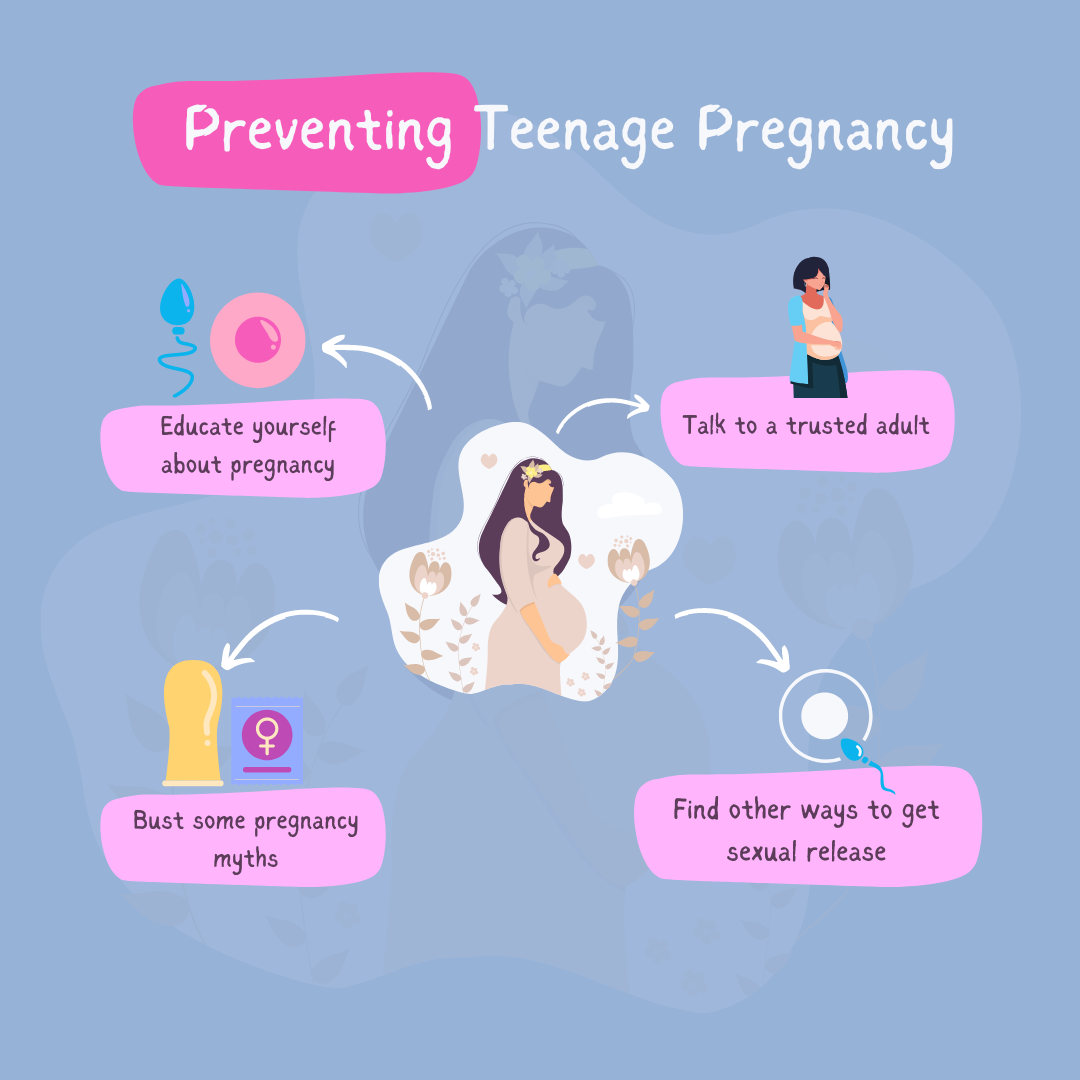
Inadequate sex education, cultural and religious views, a lack of access to contraception, and poverty are just a few of the factors contributing to the surge in teen pregnancy in Cameroon. Vision in Action Cameroon performed a qualitative interview in the form of a focus group with AGYW in order to increase access to contraception and eradicate stigma.
With the goal to evaluate the prevalence of teenage pregnancies in communities, VIAC conducted interviews involving 6 adolescents and 13 parents in two sites. |
|
|
|---|
|
Peer Education
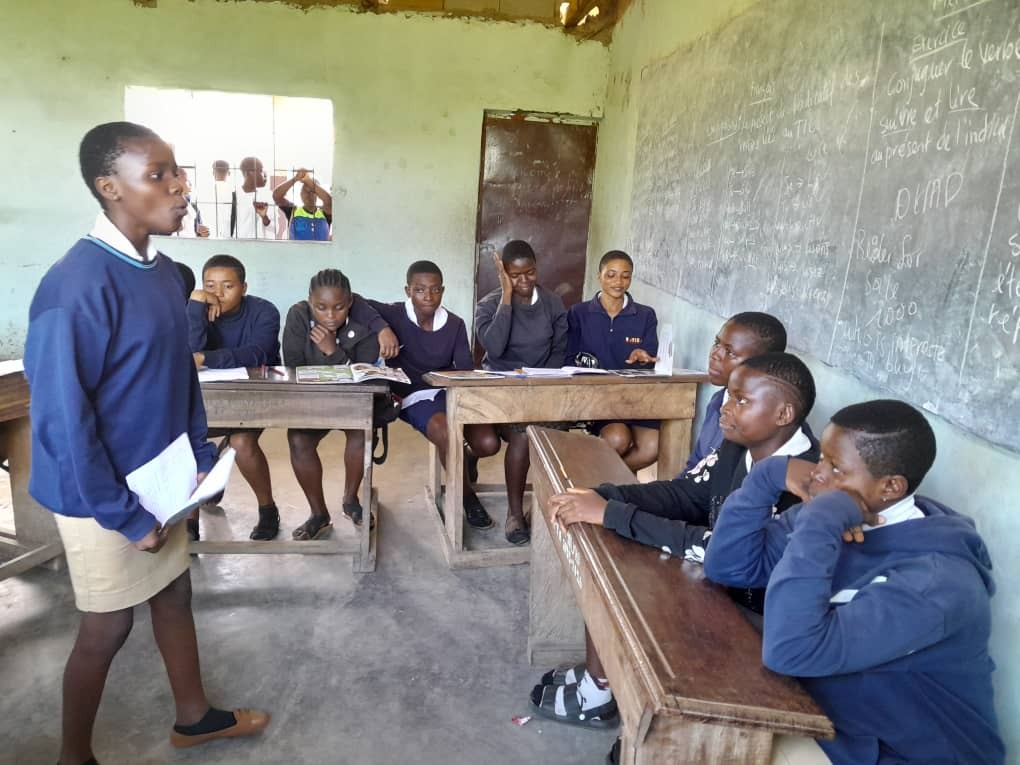
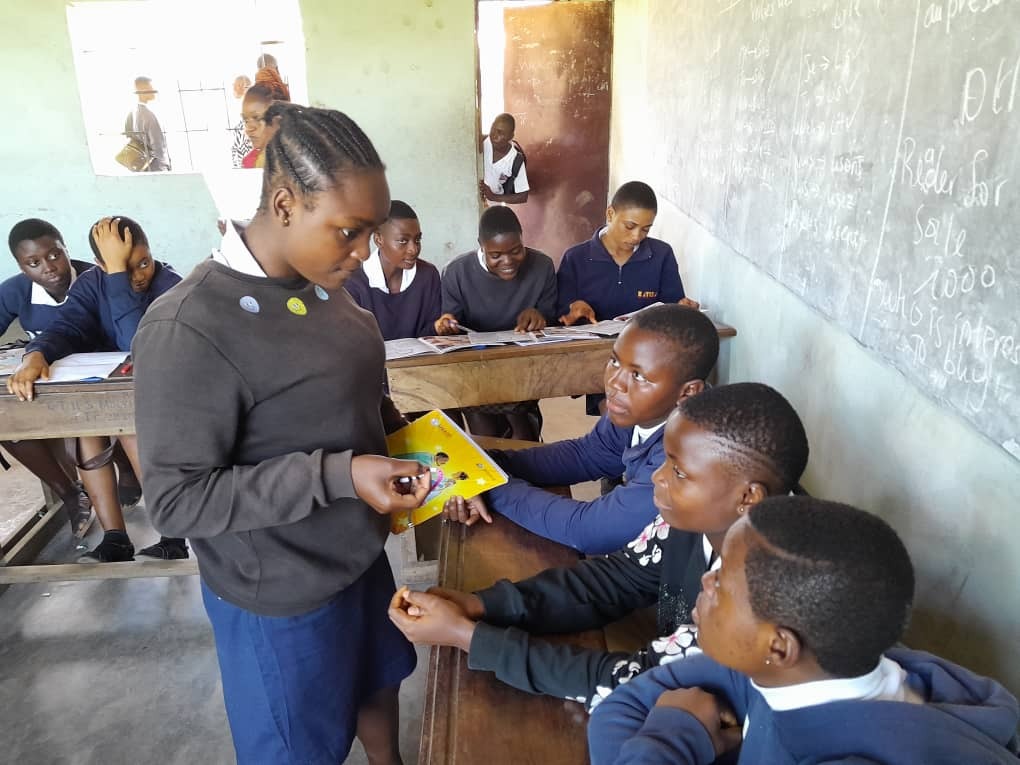
We have successfully worked over the years to identify effective measures to promote menstruation health among adolescents in secondary schools. We selected the techniques provided by adolescents that will be beneficial in promoting menstrual health and reducing menstrual stigma. We applied the suggested tactics which included training peer educators (school champions) on menstrual health management and practices (MHMP) and designing a menstrual health comic book to facilitate peer-to-peer education. In the month of April, 15 students were trained as peer educators to serve as school champions, with an emphasis on MHMP and sexual gender-based violence, utilizing the comic book "SIEWE THE PERIOD ANGLE" to foster peer to peer dialogues. |
|
|
|---|
|
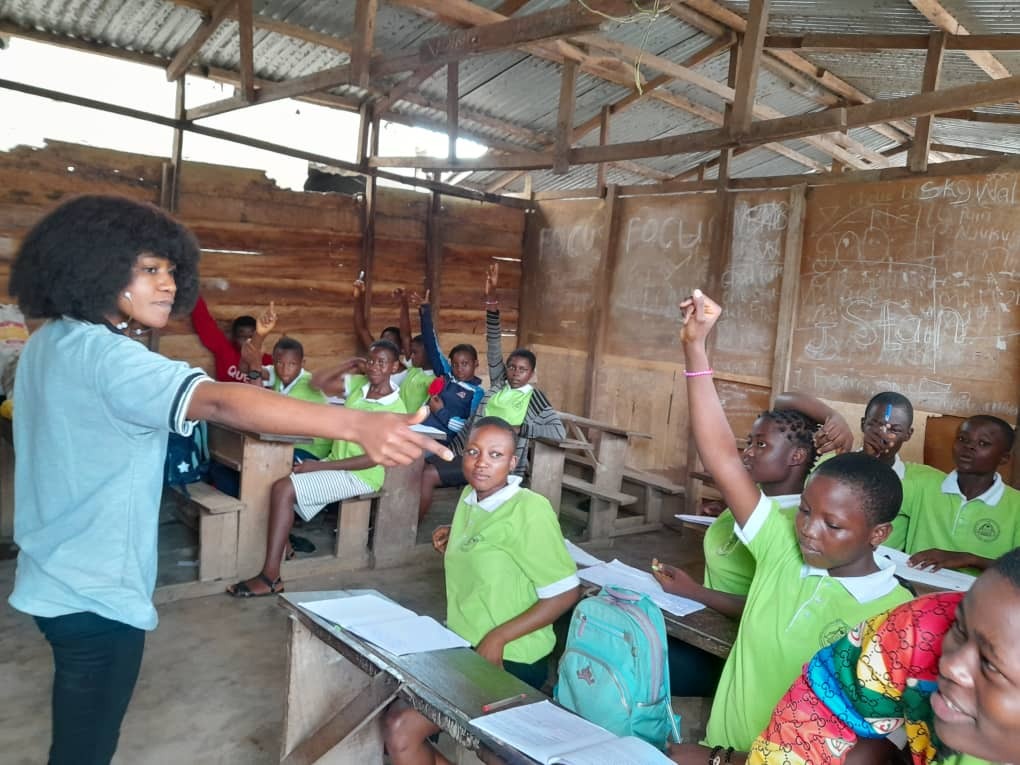
Menstrual Health Management For over 18 billion adolescent girls and young women (AGYW) worldwide, menstruation is a natural occurrence. When determining what constitutes typical menstruation like bleeding and proper hygiene, most AGYW and their guardians in communities often struggle to have open dialogue because most are unwilling to discuss menstruation with their guardians. In an attempt to normalize conversations about menstruation, we held focus discussions groups reaching out to a total of 45 AGYW in the North West and South West Region in the month of April. Thereafter, equipping them with knowledge on proper menstrual health management and skills in menstrual calculation. |
|
|
|---|
|
HIV/AIDS
Adolescents, Girls, and Young Women (AGYW) are at a higher risk of unwanted pregnancies, unsafe abortions, and sexually transmitted illnesses such as HIV/AIDS due to a lack of access to proper reproductive and sexual health knowledge, skills, and services. Using a door-to-door sensitization campaign as a strategy, 167 adolescents in the North West Region were given accurate information about HIV, STIs, and proper use of male and female condoms. A total of 325 contraceptives were given out as preventive materials, and 63 HIV testing were performed to promote the awareness of HIV/AIDS status. |
|
|
|---|
|
Myth: Abortion is a Western imperialist export to developing countries. Facts: Since the beginning of recorded history, women throughout the world have terminated unwanted pregnancies. This practice is well documented (Rylko-Bauer 1996, Devereux 1976,Gallen et al. 1981, Riddle 1992). |
|
|
|---|
|
Historians and anthropologists have conducted numerous cross-cultural, descriptive studies focusing on traditional beliefs, women’s knowledge and practices related to abortion, and fertility regulation (Devereux 1967, Devereux 1976). These studies have found that abortion is one of the oldest medical practices, dating back to ancient Egypt, Greece and Rome. Abortion techniques were documented in the ancient Egyptian Ebers Papyrus (1550 B.C.) (Dabash and Roudi-Fahimi 2008). Five thousand years ago, the Chinese Emperor Shen Nung described the use of mercury for inducing abortion (Glenc 1974). Historically, the majority of pregnancies were terminated through non-surgical methods including the administration of abortifacient herbs (Riddle 1997) and irritant leaves, fasting, bloodletting, pouring hot water onto the abdomen, starving and lying on a hot surface. Other common techniques, which are often very dangerous, included the use of sharpened tools, the application of abdominal pressure and potentially harmful physical activities such as strenuous labor, climbing, paddling, carrying heavy loads or diving into a body of water. In A Typological Study of Abortion in 350 Primitive, Ancient, and Pre-industrial Societies, ethno-psychiatrist and anthropologist George Devereux writes, “(T)here is every indication that abortion is an absolutely universal phenomenon, and that it is impossible even to construct an imaginary social system in which no woman would ever feel at least compelled to abort.” Devereux cites 20 groups: the Aztec, the Inca, Achaemenid Persia, Islamic Persia, ancient Assyria, ancient Egypt and modern Egypt (Devereux 1967).
|
|
| Abortion Laws Worldwide. The practice of abortion is not a Western export, but restrictive abortion laws dating to colonial times are. During and after the colonial period most colonized countries adopted restrictive laws based on the European country laws (Ernst et al. 2004). The first condemnations of abortion appeared in the Code of Canon Law of the Roman Catholic Church in the 12th century. By the late 19th century, the Church had decreed that abortion at any time following conception was a crime punishable with excommunication (Francome 1988, Cook 2003). England was the first country to prohibit abortion at all stages of pregnancy with passage of the 1803 Irish Chalking Act. Offenders were punished with life imprisonment (Francome 1988). This law laid the groundwork for the 1861 Offenses against the Person Act, which criminalized abortion in England and was the basis for criminalizing abortion throughout the Commonwealth countries (Cook and Dickens 1979). England legalized abortion in 1967 with passage of the Abortion Act. Influenced by the Code of Canon law, France prohibited abortion with the 1810 Napoleonic Code. The Napoleonic Code treated abortion as homicide and imposed stiff criminal penalties upon women consenting to the procedure, as well as those providing it. The Napoleonic Code was widely replicated in Europe, and imposed on French colonial territories (Knoppers and Brault 1990). The 1975 Veil Law decriminalized abortion in France. |
|
|
|---|
|
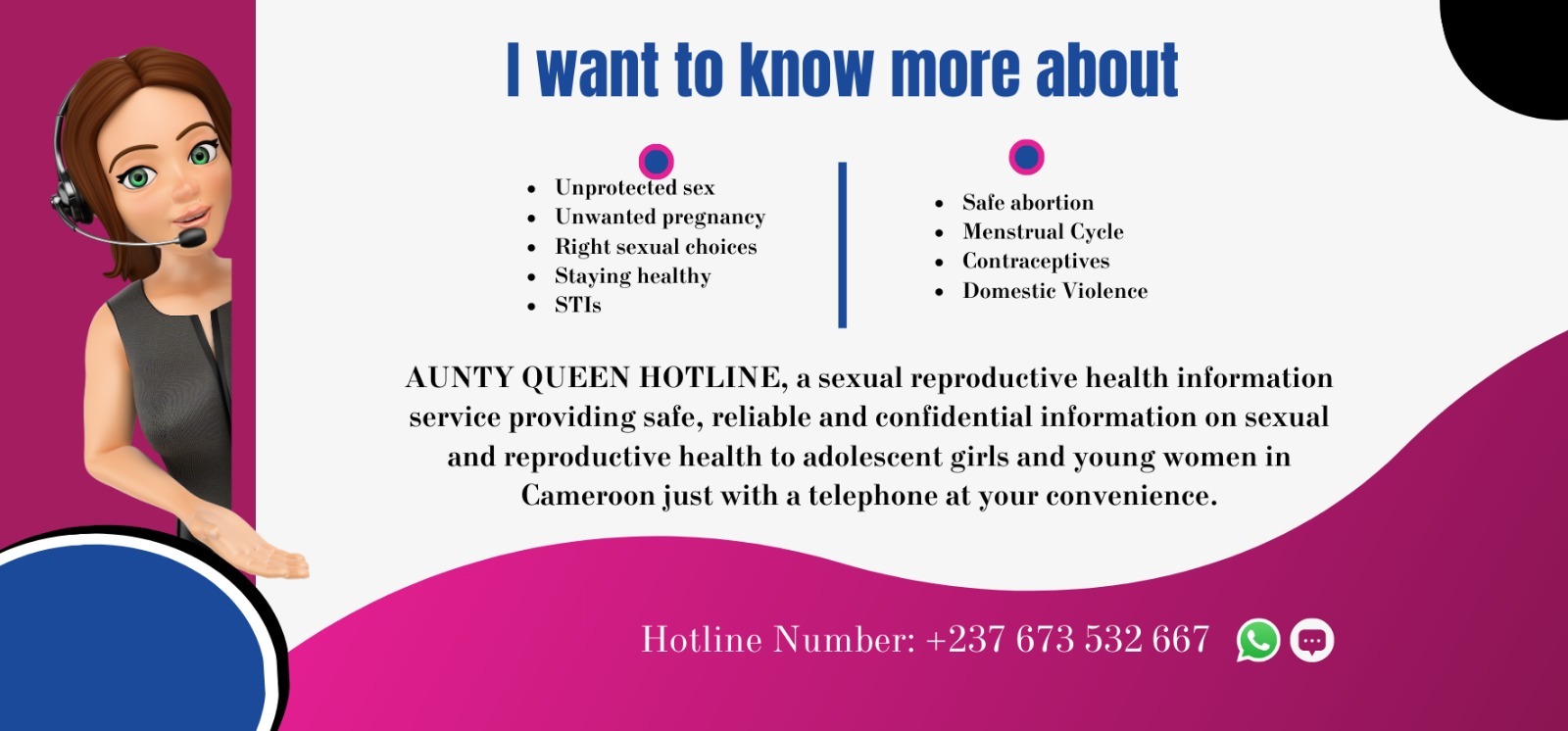
HOTLINE To get information on any issue regarding your sexual and reproductive health, feel free to contact Aunty Queen’s hotline were confidentiality is top notch and you are sure of reliable information. |
|
|
|---|
|
ABOUT VIAC Vision in Action Cameroon (VIAC) is a youth-led not-for-profit organization that supports and enables adolescent girls and young women (AGYW) and communities in programs and influences change in the areas of Research (Evidence Generation), Advocacy (community mobilization), information & communication. VIAC is committed to feminist principles, using gender transformative and rights-based approaches. At VIAC we believe that reproductive Health is a fundamental human right of every woman and man throughout her/his life cycle. www.viacame.org |
|
|
|---|
|
|
|