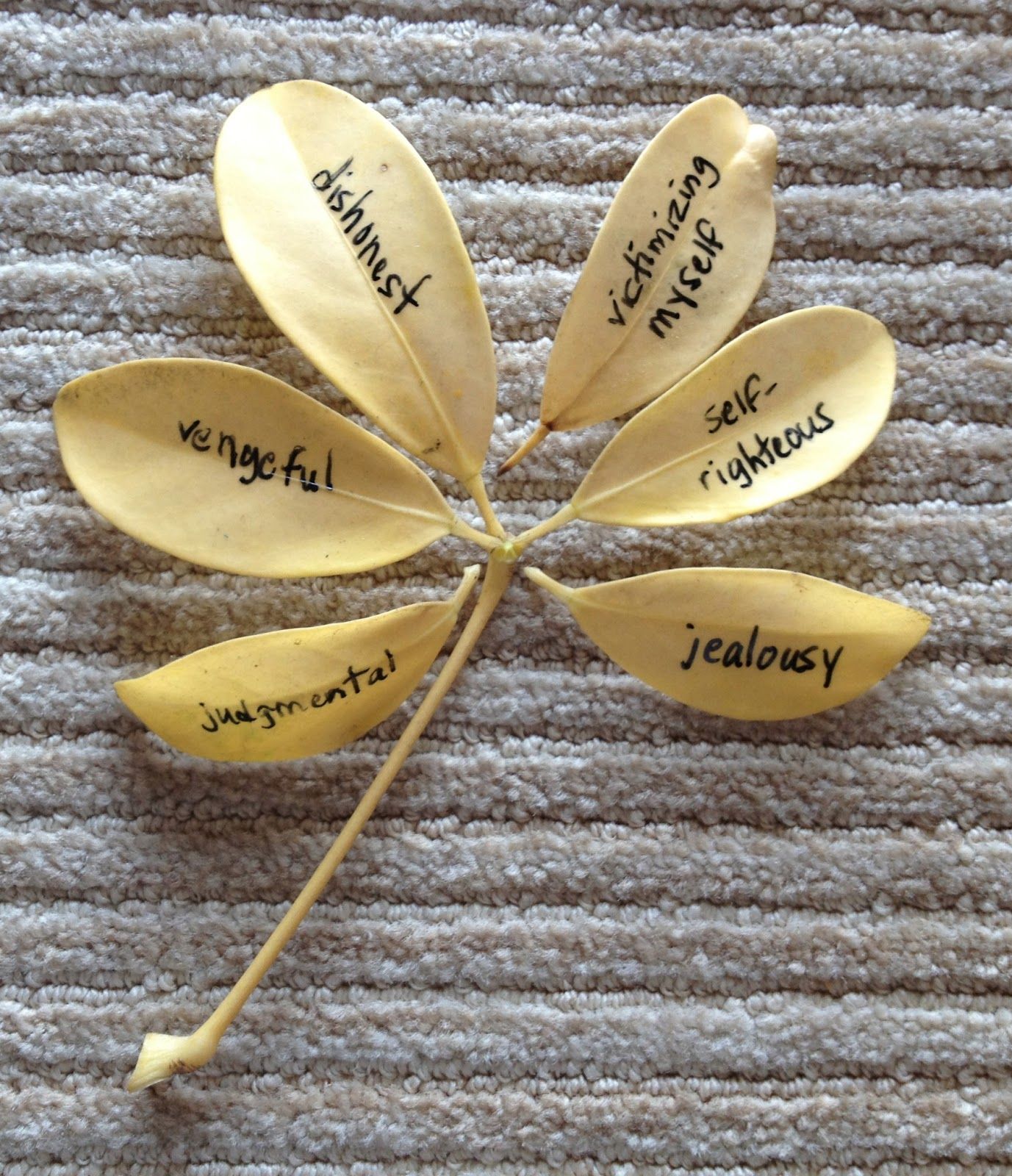
Step Ten Of AA: Spiritual PrinciplesThe AA Alcoholics Anonymous program of recovery is based on spiritual principles and virtues. With Step Ten we focus on the principles of honesty, perseverance/self-discipline and integrity. The range and depth of our honesty at this point in our recovery is astonishing. Earlier on in our recovery we were able to see our true motives long after a situation was over, and now we are able to be honest with ourselves, about ourselves, while the situation is still occurring. This principle of honesty originated in Step One, and is now brought to fruition in Step Ten. Having self-discipline & perseverance is almost counter-intuitive for us addicts. When we were using our drug of choice we were probably self-seeking and self- absorbed, always taking the easy way out, giving in to our impulses, and ignoring any opportunities for personal growth. The self-discipline required for our recovery calls on us to do certain things regardless of how we feel. For example, we need to go to regular meetings even if we’re tired, busy at work or play, or even when filled with despair. We go to meetings, call our sponsor, work with others and practice spiritual principles because we have decided we want recovery in AA and those things are the actions that will help assure our continued recovery. The principle of integrity in AA can be complex, as sticking to commitments and making good on our word is only a small part. Integrity in recovery almost seems to be the art of knowing which principles we need to practice in any given situation, and in what measure. Most of us discovered when we sobered up that we had never been able to have any kind of long-term relationship, certainly not any kind in which we resolved our conflicts in a healthy and mutually respectful way. Whether it was raging fights with people that never spoke of the underlying problem that caused the fights, or not standing up for ourselves and being conflict avoidant because it seemed easier to burn a bridge rather than work through a problem and build a stronger relationship. These are all parts of continuing to take our personal inventory to reveal our greatest liabilities and assets. Let’s expand on that. Feelings, Right And WrongStep Ten points out the need to continue taking personal inventory and seems to assert that we do this solely to find out when we’re wrong. But how can we identify the times we’re wrong unless we also have times that we’re right as a basis for comparison? Identifying the times we do things right and forming personal values are as much a part of personal inventory as identifying our liabilities.
The Tenth Step tells us that we have to promptly admit when we’re wrong, but that’s assuming that we always know when we’re wrong! The fact is that most of us don’t, at least not right away. We become more proficient at figuring out when we’re wrong with the consistent practice of taking a personal inventory. We use Step Ten to maintain a continuous awareness of what we’re feeling, thinking, and, even more importantly, what we’re doing. Have you ever noticed how much thought and feeling are attached to actions? It’s really interesting. For instance, many of us have a problem with being angry; we don’t like the way it feels. We may judge it, conclude we have no right to feel that way, and then do our very best to suppress our angry feelings. Yet, we may be experiencing a situation that would make anyone angry, and when we think about it, we start to feel really quite uncomfortable. Then comes the moment when our recovery either propels us forward into greater self-respect or our disease drags us down into a thick fog of depression and resentment. And it all has to do with how we respond to our thoughts and feelings of anger. Obviously, if we scream, curse and throw things, we destroy any possibility of making a relationship, job or situation better. But if we do nothing and bury our feelings, we become depressed and resentful, and that doesn’t improve our situation either. If we take positive action aimed at improving the situation, it has the chance to get better; or at the very least, we’ll know when it’s time to walk away and be able to do so without regrets. It doesn’t do any good to make a list of our feelings or to become aware of them without tying them to the precise actions that they generate, or in some cases fail to generate. Before beginning a regular practice of personal inventory it’s important to understand what we are assessing in an inventory. |